.png)

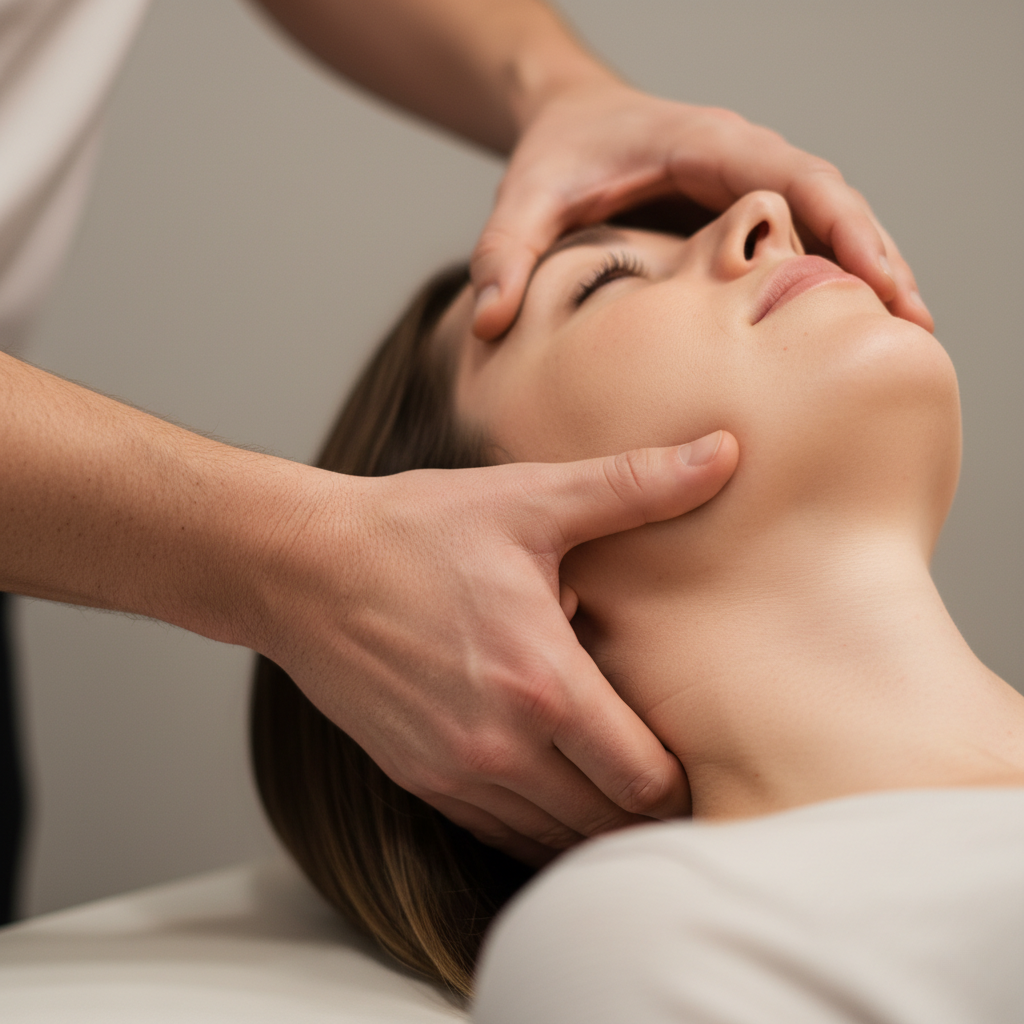
For those suffering from debilitating headaches, the search for relief is relentless. Many wonder if chiropractic care can help. The answer is nuanced and far more sophisticated than a simple yes or no. The most intelligent approach is not to ask *if* chiropractic works for headaches, but to first determine the precise *type* of headache you have. By differentiating a true neurological migraine from a musculoskeletal cervicogenic headache, you can understand if—and which—specific chiropractic therapies are a safe and effective part of your integrated treatment plan.
The Critical First Step: Is It a Migraine or Something Else?
Not all severe headaches are migraines. This is the single most important concept to grasp when exploring non-drug treatment for chronic headaches. While both can be debilitating, their origins are fundamentally different, which dictates the most effective treatment. It's even possible for a patient to suffer from more than one type of chronic headache, such as both migraine and tension-type headaches simultaneously, as noted by healthcare professionals. This makes an accurate diagnosis paramount.
Understanding the Neurological Migraine
A true migraine headache is a complex neurological event. It's characterized by more than just severe head pain; hallmark symptoms often include intense throbbing (usually on one side of the head), nausea, vomiting, and extreme sensitivity to light and sound. Some people also experience a visual disturbance known as an aura before the headache begins. A key differentiator is that a migraine is a disease of abnormal brain function within the setting of a normal brain structure, which is why it does not show up on a brain MRI. Because its cause is neurological, not structural, treatments that exclusively target the spine may not address the root of the problem.
Unpacking the Cervicogenic Headache: The Neck-Head Connection

In contrast, a cervicogenic headache is a referred pain, meaning the pain is felt in the head, but the cause originates in the neck. This is the type of headache where a chiropractor can often provide the most direct and effective help. The symptoms of a cervicogenic headache include:
- Pain that starts in the neck or the back of the head and radiates forward.
- Pain that is typically one-sided.
- Reduced range of motion in the neck.
- Pain triggered or worsened by specific neck movements.
- Tenderness in the neck and upper back muscles.
The link between spine health and headaches is clearest here. Issues like can neck misalignment cause tension headaches or cervicogenic pain are central to understanding this condition. The cause is mechanical—often stemming from irritated joints or nerves in the upper cervical spine, sometimes due to poor posture, stress, or trauma like whiplash from an auto accident. When the root cause is musculoskeletal, a treatment approach focused on restoring proper function to the neck and spine can provide lasting relief.
A Chiropractic Toolkit for Headaches: More Than Just an Adjustment
Modern chiropractic care for headaches is a holistic approach to migraine management, not a single trick. A headache specialist chiropractor utilizes a spectrum of therapies to address the specific cause of your pain. The goal is to move beyond temporary relief and correct the underlying functional issues contributing to your symptoms.
Spinal Manipulation and Mobilization
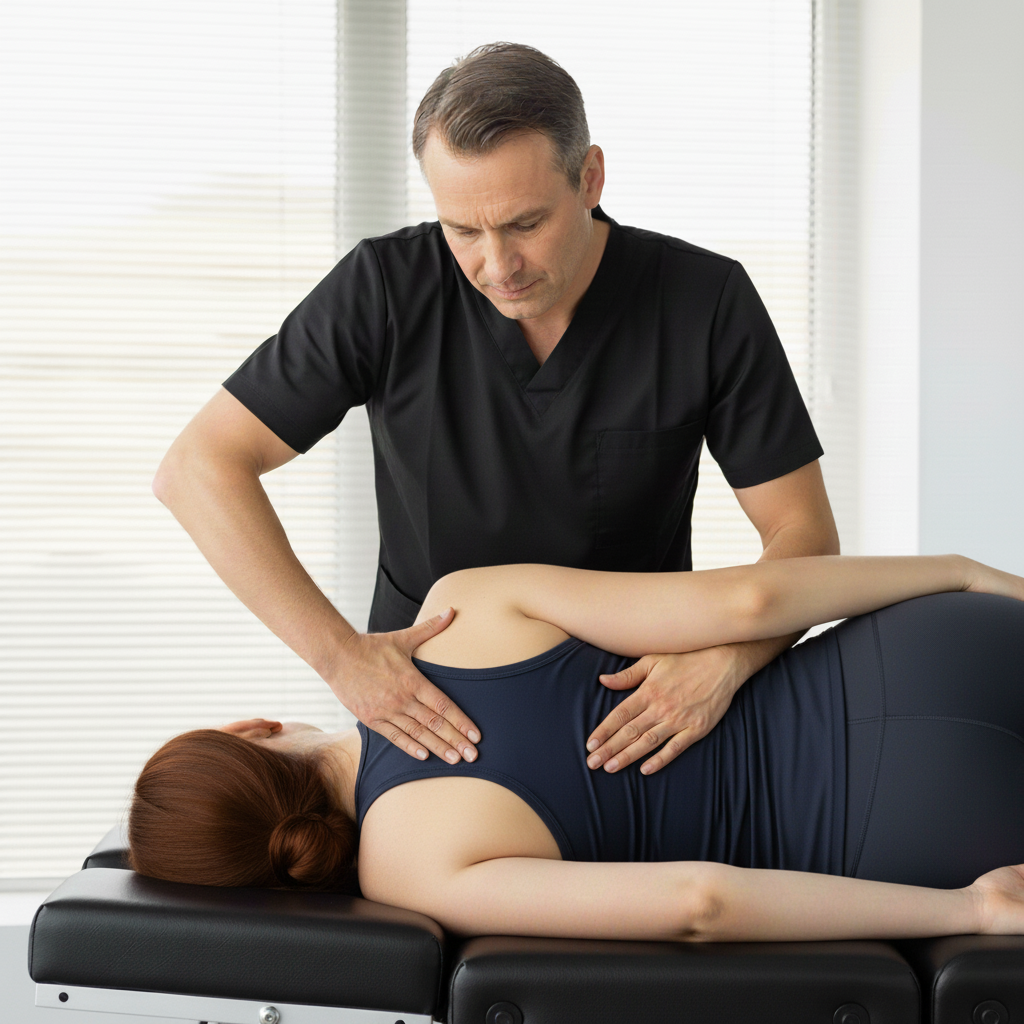
At the core of chiropractic care is the adjustment, or spinal manipulation. For cervicogenic and some tension headaches, this involves precise, gentle force to restore motion to restricted spinal joints, particularly in the upper cervical spine. This can alleviate pressure on nerves and reduce pain signals. Techniques range from a classic chiropractic adjustment for tension headaches to highly specific upper cervical chiropractic for migraines protocols, such as an atlas adjustment for migraine relief, which focuses on the top vertebra in the neck. The benefits of regular chiropractic adjustments for headache sufferers with a cervicogenic component can include reduced frequency, duration, and intensity of episodes.
Advanced Soft Tissue Therapies
Often, tight muscles and fascia are a primary driver of head and neck pain. Our clinic utilizes advanced manual therapy for migraine patients and those with tension headaches. Modalities like myofascial release for head pain and trigger point therapy for neck pain are designed to release knots and restrictions in the muscles of the neck, shoulders, and upper back. This soft tissue therapy for headache relief is crucial because tight muscles can pull on spinal structures, perpetuating the cycle of pain. This comprehensive philosophy of using the right tool for the job extends across our practice. It's why we see such success treating complex musculoskeletal pain. As one patient noted after a different type of injury, "Shockwave treatment has helped my shoulder pain tremendously! It has allowed me to start playing golf again..." This focus on restoring function is central to our care, whether for the shoulder or the cervical spine.
Lifestyle and Ergonomic Counseling
A truly holistic approach extends beyond the treatment room. We emphasize posture correction for headache prevention, as "tech neck" from staring at screens is a major contributor to cervicogenic issues. We also provide patients with specific chiropractic exercises for tension headaches to strengthen supporting muscles and improve flexibility, helping to create long-term stability and resilience against future episodes. Managing headache triggers with chiropractic care involves identifying and modifying these daily habits.
Addressing the Evidence and Your Safety: A Transparent Look at Chiropractic Care
When considering any medical treatment, it’s vital to look at the evidence and understand the risks. The research on chiropractic for headaches is promising but, like the condition itself, nuanced.
For headaches with a clear musculoskeletal origin, the evidence for chiropractic headache treatment is quite strong. Indeed, some studies show potential benefits from spinal manipulation therapy, and chiropractic care is a recognized option for cervicogenic and tension headaches. The connection is direct and mechanical. A powerful example of this comes from a case report involving a 15-year-old girl with constant cervicogenic headaches. Her treatment plan, which included myofascial release and chiropractic manipulation of her cervical and thoracic spine, led to a complete resolution of her symptoms. These are the kinds of chiropractic success stories headaches sufferers hope for when the diagnosis and treatment are properly aligned.
For true neurological migraines, the picture is less clear. While many patients report feeling better, some research suggests these positive outcomes could be influenced by the placebo effect, and more rigorous studies are needed to confirm the direct benefits of chiropractic for migraines themselves. However, chiropractic can still play a vital role by treating co-existing neck tension and musculoskeletal triggers that can precipitate a migraine attack in susceptible individuals.
Regarding safety, the question "is spinal manipulation safe for migraines?" is common. When performed by a licensed and experienced chiropractor following a thorough examination, the risk of serious side effects of neck adjustments for headaches is very low. A proper assessment is key to rule out any underlying conditions that would make manipulation unsafe.
The Power of Integrated Care: Why Your Chiropractor Should Be a Team Player
The most successful outcomes, particularly for patients with chronic and complex headache disorders, come from an integrated health care for chronic migraines model. This means your chiropractor should be willing and able to work alongside your neurologist, primary care physician, and other specialists. This collaborative approach ensures that all aspects of your health are considered. A neurological chiropractor for migraines understands their role is often to manage the musculoskeletal components, while a neurologist manages the neurological and medicinal aspects of the disease.
When finding a chiropractor specializing in headaches, here are key questions to ask to ensure they are a good fit for a collaborative team:
- Do you require a specific diagnosis before beginning treatment?
- How do you differentiate between migraine, tension, and cervicogenic headaches in your examination?
- Are you comfortable communicating with my primary care physician or neurologist about my treatment plan?
- What are the specific goals of chiropractic care for my particular type of headache?
- Under what circumstances would you refer me to another type of specialist?
Making the Right Choice for Your Needs
Navigating your options for headache relief without medication can be overwhelming. The best path forward depends entirely on your specific diagnosis and personal health goals.
For the Chronic Migraine Sufferer
Your primary relationship should be with a neurologist who can manage the neurological aspects of your condition. Chiropractic care can be an excellent complementary therapy. The focus would be on reducing musculoskeletal triggers, improving posture, and alleviating any co-existing neck pain or tension that could be lowering your threshold for a migraine attack. It's a key part of a preventative chiropractic care for migraines strategy.
For the 'Neck Pain & Headache' Patient
If your headaches start in your neck, are often one-sided, and are accompanied by neck stiffness, you are a prime candidate for a comprehensive chiropractic consultation for frequent headaches. Therapies that directly address the joints, muscles, and nerves of the cervical spine—such as manipulation, soft tissue therapy, and corrective exercises—can target the root cause of these cervicogenic headaches, offering a path to significant, long-term relief.
For the Undiagnosed Patient
If you suffer from frequent headaches but don't have a clear diagnosis, your first step is a thorough diagnostic evaluation. A skilled headache specialist chiropractor can perform a detailed physical and neurological examination to help pinpoint the cause. This assessment is crucial. It determines whether your condition is likely to respond well to chiropractic care or if a referral to another specialist, like a neurologist, is the most appropriate next step for your health.
Ultimately, achieving lasting relief from chronic headaches begins with an accurate diagnosis and a personalized, multi-faceted treatment plan. At Pure Relief Pain Solutions Chiropractic in Austin, TX, we are committed to this diagnostic-first philosophy. We leverage advanced, non-surgical solutions and an integrated approach to care to identify the true source of your pain and build a strategy that delivers results. For a comprehensive assessment with our expert team, contact us today to schedule your consultation.


Call us today or use our contact form to request an appointment and start getting relief.

