.png)
How an integrated chiropractic plan offers chronic pain relief without medication


For those navigating the persistent challenges of chronic pain, a comprehensive chiropractic care plan offers a powerful drug-free alternative to traditional medication. This approach succeeds by treating the spinal adjustment as a catalyst for healing, not a standalone cure. It empowers patients with a personalized toolkit of at-home therapies, therapeutic exercises, and ergonomic strategies, shifting them from passive recipients of care to active partners in their own long-term recovery and wellness.
The Frustrating Cycle of Chronic Pain and the Limits of Medication
Living with chronic pain is more than just a physical struggle; it's an exhausting daily battle that can impact your work, your relationships, and your overall quality of life. When pain becomes a constant companion, the initial instinct is often to reach for a pill for relief. While medication has its place, particularly in acute situations, relying on it for long-term management often leads to a frustrating cycle: the pain returns, the dosage may increase, and the underlying cause remains unaddressed. This is a common path for those looking for opioid-free pain management solutions, as they seek to avoid the potential for side effects and dependency.
It's also important to distinguish between chronic pain and chronic pain syndrome. Chronic pain is typically defined as pain that lasts for more than three to six months. Chronic pain syndrome, however, is a more complex condition where the pain is amplified by other factors like depression, anxiety, and sleep disturbances, creating a vicious cycle that is difficult to break with a single treatment. A truly effective drugless approach to chronic pain must address this whole-body reality, focusing on getting to the root cause of chronic pain rather than just silencing the alarm bells.
The Spinal Adjustment as the 'Catalyst,' Not the 'Cure'
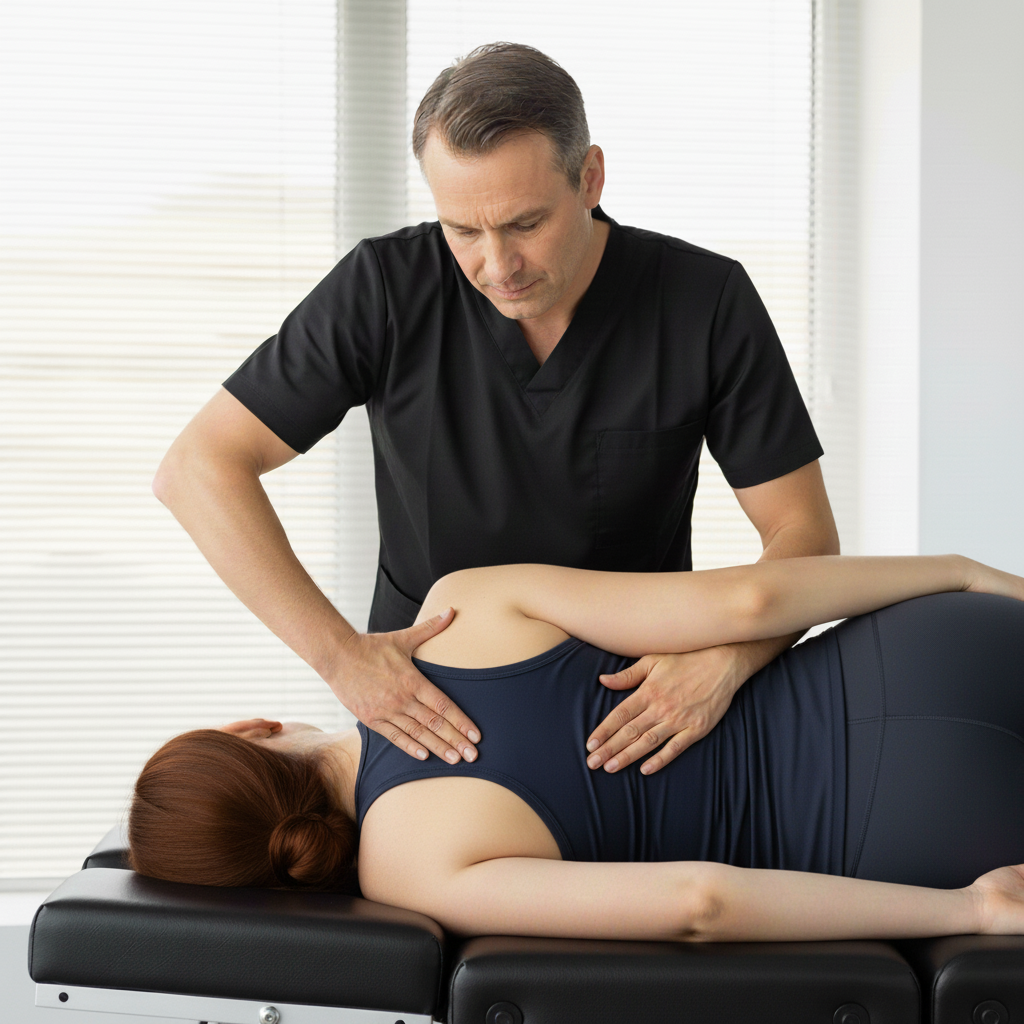
A common misconception about chiropractic care is that the adjustment is the entire treatment. In reality, for chronic conditions, the spinal adjustment is the foundational first step—the catalyst that creates the potential for true, long-lasting healing. The primary goal of spinal manipulation for chronic pain is to restore proper biomechanics and improve nervous system function. When your spine is misaligned, a condition sometimes referred to as vertebral subluxation, it can create nerve interference, muscle tension, and inflammation, contributing to or causing your pain.
By performing precise adjustments, a chiropractor reduces these structural shifts. This process does more than provide immediate relief. It creates a stable biomechanical foundation, which in turn makes other non-drug therapies significantly more effective. Think of it like tuning a car engine before trying to improve its fuel efficiency. The spinal adjustment ensures the body's core communication system—the nervous system—is functioning optimally. This is fundamental to how chiropractic reduces inflammation naturally and promotes the body's innate healing capacity. This restored function is key to the long-term benefits of spinal adjustments, creating an environment where the body can begin to repair and regulate itself without the need for medication.
Your Chiropractor as a Pain Management Strategist: Building Your Toolkit
The most effective modern chiropractic care moves beyond the treatment table to position the chiropractor as your personal pain management strategist. The goal is to build a comprehensive chiropractic pain program tailored to your unique condition, lifestyle, and goals. This isn't about endless passive treatments; it's about co-creating a strategic toolkit of at-home therapies that empowers you to take control.
This integrated approach is about building sustainable pain relief strategies. A typical personalized toolkit may include:
- Therapeutic Exercises: Specific stretches and strengthening exercises designed to support the spine, improve mobility in affected joints, and correct muscular imbalances that contribute to your pain. This is crucial for managing conditions like chronic shoulder pain or sciatica.
- Ergonomic and Postural Training: Lasting relief often depends on changing the daily habits that aggravate your condition. As part of a holistic treatment plan, chiropractic care may include postural and exercise education, and ergonomic training (how to walk, sit, and stand to limit back strain) to help patients better manage their condition at home. This focus on posture correction for long-term pain relief is a cornerstone of effective care.
- Self-Care Protocols: Simple yet powerful techniques you can use daily. For example, heat therapy and cold compresses are the most commonly used home remedies for pain; heat can help stiff muscles while ice can decrease inflammation. Your strategist will guide you on when and how to use these tools for maximum benefit.
This partnership transforms the healing process. Instead of relying solely on your appointments, you have a daily plan of action. This is the essence of finding long-term relief from chronic conditions—it's a continuous process you actively participate in.
A Comparative Look at Pain Management Philosophies

When you're exploring alternatives to medication for chronic pain, it's helpful to compare the core philosophies behind different approaches. The choice you make will profoundly impact your journey toward wellness.
Medication-Based Pain Management
Pros:
Can provide fast, effective relief for acute or severe pain episodes. It is often accessible and can allow individuals to function while seeking other treatments.
Cons:
Primarily masks symptoms without addressing the root cause. Carries risks of side effects, tolerance, and dependency, particularly with opioids. It fosters a passive role for the patient and may not offer a sustainable long-term solution.
Integrated Chiropractic Care (In-Clinic + At-Home Therapies)
Pros:
Focuses on identifying and correcting the underlying biomechanical and neurological cause of pain. It empowers the patient with tools for self-management, leading to long-lasting pain relief without side effects. This whole-body approach improves overall health and function.
Cons:
Requires a significant commitment of time and effort from the patient. Results are typically gradual and cumulative, not an instant fix. The success of the program is highly dependent on the patient's active participation.
Passive vs. Active Patient Recovery
Passive Recovery (e.g., Medication, receiving only adjustments):
The patient is a recipient of treatment. This approach is less demanding but often leads to dependency on the practitioner or medication for relief. The patient may feel powerless over their condition.
Active Recovery (e.g., Integrated Chiropractic with at-home care):
The patient is an empowered partner in their health. This requires more effort, but builds self-efficacy and provides the skills needed for natural chronic pain management. A key element of this is self-monitoring; one approach for patients to actively manage pain is to keep a diary of pain episodes and the causative and corrective factors surrounding them, reviewing it regularly to explore avenues of possible change.
The Power of Active Participation: Shifting Your Role in Recovery
The philosophical shift from passive recipient to active partner is perhaps the most critical factor in achieving drug-free relief for chronic leg pain, back pain, or any persistent body pain. When you are an active participant, you are not just waiting for the pain to go away; you are actively working to build a body that is more resilient to it. This mental and physical engagement is a powerful tool for healing.
This approach also helps bridge the gap for those who still require some form of pain medicine. The goal is to reduce reliance, not necessarily eliminate it overnight. In fact, if you need to take pain medicines, doing some non-drug treatments may allow you to take a lower dose. This integrated model provides a pathway to gradually decrease medication as your body's function improves and your self-management skills grow. It's about progress, not perfection, and celebrating the improved quality of life that comes with taking back control.
Rewiring the Pain Cycle: Addressing the Brain and the Body
One of the most difficult questions for patients is *how to break the cycle of chronic pain?* The answer lies in understanding that chronic pain isn't just a local issue in a joint or muscle; it's a complex process involving the nervous system and the brain. Over time, the body can become hypersensitive, with pain pathways becoming more efficient. Your brain essentially learns to be in pain, creating signals even when the initial injury has healed. This is a key aspect of restoring nervous system function for pain relief.
An integrated chiropractic approach helps rewire this cycle on multiple levels. Spinal adjustments help to "reset" the nerve signals traveling from the body to the brain, reducing the constant "danger" messages. Simultaneously, therapeutic exercises and improved posture reduce the physical strain that perpetuates the pain signals at their source. Soft tissue therapy helps release stored tension in muscles and fascia. This combination of down-regulating the nervous system's chronic pain signals while also correcting the physical source is a powerful, holistic strategy for non-addictive pain relief methods.
Advanced Therapies for a Comprehensive, Non-Surgical Solution
A modern chiropractor specializing in chronic pain often incorporates advanced, non-invasive treatment technologies to complement spinal adjustments. These therapies help accelerate healing and address stubborn conditions that haven't responded to other forms of care, providing patients with the best non-surgical back pain treatment options available.
- Non-Surgical Spinal Decompression: This therapy is a game-changer for chronic back pain, sciatica, and disc-related issues. It uses a specialized table to gently decompress the spine, relieving pressure on nerves and creating a negative pressure environment that helps herniated or bulging discs retract.
- Shockwave Therapy (EPAT): This technology uses acoustic pressure waves to break up scar tissue, stimulate blood flow, and trigger the body's natural healing and regenerative processes. It is highly effective for chronic soft tissue injuries. As one patient noted, "I was in a car collision and had nonstop knee and leg pain. Shockwave therapy has helped more than anything else..." Another found similar success, stating, "Shockwave treatment has helped my shoulder pain tremendously! It has allowed me to start playing golf again..."
- Soft Tissue Therapies: Techniques like Active Release Technique (ART) or Graston Technique target muscles, ligaments, and tendons to release adhesions and restore proper function, making them a crucial component of chiropractic and massage for chronic pain.
- Acupuncture: Often offered as a complementary service, acupuncture is an effective means of relieving pain, such as for back pain and headache pain, and is often offered by pain management centers. It's another excellent non-pharmacological pain treatment to include in a holistic plan.
Regarding common questions, it's important to clarify: chiropractors cannot prescribe pain medication. Their license and philosophy are centered on a drugless approach. As for side effects, while adjustments are very safe, some patients may experience mild soreness or, rarely, slight bruising after intensive soft tissue work. This is a normal part of the body's response to treatment and typically resolves quickly.
Making the Right Choice for Your Needs
Ultimately, there is no single "best" path for everyone. The right approach depends on your specific condition, history, and personal health philosophy. Here is some guidance for different types of individuals seeking relief.
The Chronic Pain Sufferer
If you have a long-term condition like sciatica, fibromyalgia, or arthritis pain and have found limited success with conventional medicine, an integrated chiropractic approach is a strong consideration. Your focus should be on finding a practitioner who acts as a strategist. Look for a comprehensive chiropractic treatment plan that includes at-home exercises, lifestyle advice, and advanced therapies. Your goal is not a quick fix but a sustainable management strategy that empowers you and improves your quality of life.
The Post-Injury Patient
For someone recovering from a car accident, sports injury, or repetitive strain injury, the primary goal is addressing the root cause to prevent a chronic issue from developing. Corrective chiropractic care is essential here. You need a plan focused on chiropractic rehabilitation that not only reduces immediate pain but also restores proper function and stability to the injured area. Ask about therapies like shockwave or soft tissue work that are specifically designed to accelerate healing from acute events.
The Wellness-Oriented Athlete
If you're an active individual looking to optimize performance and prevent injuries, a proactive chiropractic wellness approach is ideal. You can benefit greatly from regular adjustments to maintain optimal biomechanics and nervous system function. Look for a chiropractor who understands sports performance and can provide a program that includes mobility work, preventative exercises, and access to advanced therapies to manage minor issues before they become major problems.
The journey to lasting pain relief begins with a commitment to understanding and addressing the root cause of your condition. By embracing a partnership with a healthcare provider who equips you with the tools for active self-management, you can move beyond the limitations of medication and build a more resilient, functional, and pain-free life. At Pure Relief Pain Solutions Chiropractic in Austin, TX, our entire philosophy is built on this model of patient empowerment and strategic, integrated care. We specialize in creating personalized, non-surgical roadmaps to recovery. To discover how a comprehensive plan can help you, we invite you to schedule a detailed evaluation with our team today.

Call us today or use our contact form to request an appointment and start getting relief.

