.png)
Why comprehensive whiplash treatment is more than just a neck adjustment


Following an auto accident, the most effective chiropractic treatment for whiplash is a comprehensive, multi-phase strategy that addresses the underlying soft tissue damage and neurological dysfunction. This approach goes far beyond immediate pain relief from a spinal adjustment, focusing instead on a combination of gentle mobilization, targeted soft tissue therapies, and specific rehabilitative exercises to ensure a full recovery and prevent the development of chronic pain.
The hidden injury: Why whiplash is more than just a 'crick in the neck'
The sudden jolt of a car accident, a sports collision, or even a slip and fall can trigger a violent and damaging sequence of events in your neck. This is whiplash, a condition medically known as a hyperflexion/hyperextension injury. It describes the rapid, forceful back-and-forth motion the neck endures during trauma, much like the cracking of a whip. As experts describe it, this acceleration/deceleration event forces the cervical spine and its supporting structures beyond their normal limits.
The common misconception is that whiplash is a simple neck sprain that will resolve on its own. However, the real damage is often hidden from standard imaging. While an X-ray is crucial for ruling out fractures or dislocations, it primarily shows bone. It cannot visualize the micro-tears, inflammation, and sprains in the muscles, ligaments, and tendons that are at the heart of a whiplash associated disorder (WAD). These soft tissue injuries are the primary source of pain, stiffness, and long-term dysfunction. This is why you might have significant neck pain, yet your emergency room X-rays come back "normal." The problem isn't the bones; it's the complex network of tissues responsible for your neck's stability and movement.
Beyond the 'crack': Deconstructing a modern chiropractic whiplash treatment plan
The idea that a single chiropractic adjustment can "fix" whiplash is a vast oversimplification. While restoring proper joint motion is a key component, true healing requires a sophisticated, multi-phase approach that supports the damaged soft tissues through every stage of recovery. This comprehensive care plan addresses the injury from all angles.
A modern whiplash treatment protocol typically includes three phases:
- Acute Inflammatory Phase: The immediate goal is to control pain and reduce inflammation. During this stage, a chiropractor may use gentle mobilization techniques, ice therapy, and modalities like electrical muscle stimulation or cold laser therapy. The focus is on calming the area, not aggressive manipulation, which could further irritate the injured tissues.
- Repair and Remodeling Phase: Once the initial inflammation subsides, the focus shifts to restoring proper mechanics and breaking down dysfunctional scar tissue. This is where a targeted chiropractic adjustment for a neck injury is crucial. It helps restore motion to joints that have become restricted. This is often combined with advanced soft tissue therapy. As the Cleveland Clinic notes, chiropractic treatment can include soft-tissue therapy designed to relax tight muscles, relieve spasms, and release tension in the connective tissue (fascia). This manual therapy is essential for preventing the formation of rigid scar tissue that limits mobility.
- Rehabilitation and Strengthening Phase: The final phase involves active care. Here, the focus is on specific rehabilitative exercises to strengthen the supporting muscles of the cervical spine. These exercises are vital for restoring range of motion in the neck, improving stability, and preventing re-injury. You will learn some of the best exercises for whiplash recovery that you can continue at home to support your long-term health.
Decoding the neurological symptoms: Headaches, dizziness, and brain fog
One of the most unsettling aspects of whiplash is the constellation of neurological symptoms that can appear, sometimes with a delay. Headaches (especially at the base of the skull), dizziness or vertigo, brain fog, and even jaw pain (TMJ) are common consequences of a neck injury. These aren't just signs of stress; they are often direct results of the physical trauma.
The upper part of your cervical spine houses critical nerve structures that communicate with the brain. When a whiplash injury causes misalignment or inflammation in this area—a condition sometimes referred to as a vertebral subluxation—it can irritate these nerves. This irritation can disrupt the flow of information between your body and brain, leading to the disorienting symptoms of dizziness, persistent headaches, and difficulty concentrating. Effective cervical whiplash chiropractic care directly addresses these issues by gently restoring proper joint mechanics, which takes pressure off the irritated nerves and helps normalize neurological function. Indeed, research confirms that chiropractic medicine is a proven therapy for whiplash, neck pain, and the headaches that so often accompany them.
The high cost of waiting: How untreated whiplash becomes a lifelong problem
One of the most critical mistakes after an auto accident is adopting a "wait and see" approach. The body's healing process, when left unguided, can lead to significant long-term problems. When soft tissues like ligaments and muscles are torn, the body repairs them with scar tissue. Unlike healthy tissue, which is flexible and organized, scar tissue is rigid, weak, and haphazardly formed.
This fibrotic tissue can "gum up" the intricate mechanics of your spine, leading to chronic stiffness and a permanent reduction in your neck's range of motion. This dysfunction places abnormal stress on the spinal joints, accelerating wear and tear and significantly increasing your risk of developing premature degenerative disc disease or neck arthritis later in life. Proactive post-accident chiropractic care is a crucial preventative measure. It helps guide the healing process, ensuring that tissues heal with more flexibility and strength, thereby preventing a minor injury from cascading into a chronic, debilitating condition.
Advanced therapies can be particularly effective at managing this process. As one patient noted, "I was in a car collision and had nonstop knee and leg pain. Shockwave therapy has helped more than anything else..." This type of therapy helps break down existing scar tissue and stimulate a more organized healing response, not just in extremities but in the complex tissues of the spine as well.
Choosing your path to recovery: A look at treatment philosophie
When seeking care for a whiplash injury, you'll encounter different treatment approaches. Understanding the core philosophy behind each is key to making a confident decision for your health.
Immediate, Symptom-Focused Pain Relief (Adjustments Alone)
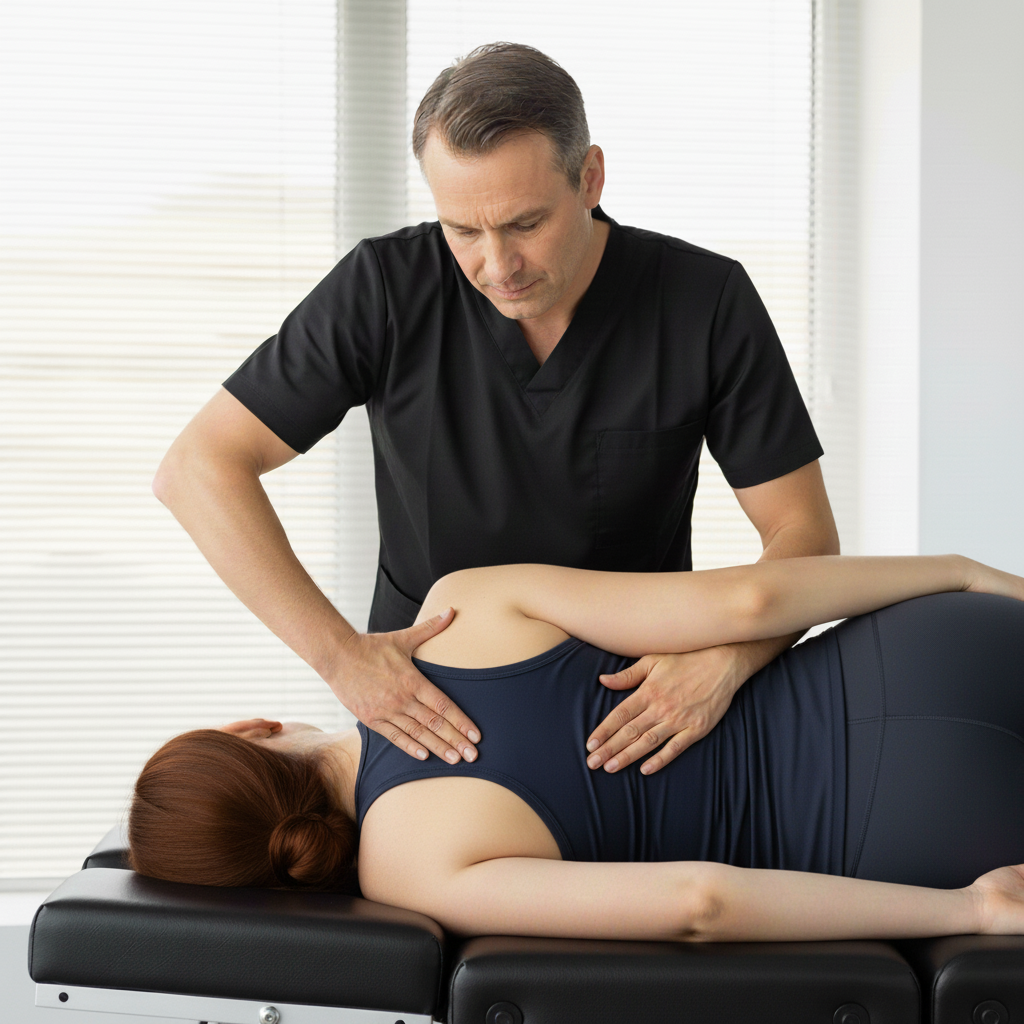
This approach centers on using spinal manipulation to provide quick relief from pain and stiffness. It's often what people traditionally associate with chiropractic care.
- Pros: Can provide significant, immediate relief from joint-related pain. It is often a faster and more direct intervention.
- Cons: May not fully address the underlying soft tissue damage, inflammation, or neurological irritation. Pain may return once the initial relief wears off if the root cause isn't treated, leading to incomplete healing and a higher risk of chronic issues.
Comprehensive, Root-Cause Treatment (Integrated Therapies)
This modern, evidence-based approach views whiplash as a complex injury requiring a multi-faceted solution. It combines chiropractic adjustments with targeted soft tissue therapies, neurological rehabilitation, and patient-specific exercises.
- Pros: Addresses all aspects of the injury—joint mechanics, soft tissue damage, and neurological function. This focus on the underlying injury promotes more complete and lasting healing, significantly reducing the risk of chronic pain and long-term dysfunction. It's a strategy for restoring long-term mobility and function.
- Cons: May require a greater initial commitment in terms of time and number of visits to fully address the different phases of healing.
Answering your key questions about whiplash recovery
What will a chiropractor do for whiplash?
A chiropractor will first perform a comprehensive evaluation to diagnose the extent of your soft tissue and joint injuries. The treatment plan will then be tailored to your specific needs but will generally include a combination of gentle chiropractic adjustments to restore spinal motion, manual therapy and other soft tissue techniques to heal damaged muscles and ligaments, and a personalized rehabilitation plan with exercises to strengthen the neck and restore function.
How long does it take for the neck to heal after whiplash?
The whiplash recovery timeline varies greatly depending on the severity of the injury and the individual's health. Minor strains may resolve in 6-8 weeks with proper care. More significant injuries involving ligament sprains and neurological symptoms can take 6 months to a year or more to fully stabilize. Consistent, comprehensive treatment is key to shortening this timeline.
How many chiropractic visits for whiplash?
The number of visits depends entirely on your diagnosis. In the acute phase, you might need 2-3 visits per week for a few weeks to manage pain and inflammation. As you transition to the repair and rehabilitation phases, visit frequency typically decreases to once a week and then to maintenance care as your function returns.
What is the most effective treatment for whiplash?
The most effective treatment is not a single modality but a comprehensive, integrated approach. Systematic reviews of whiplash-associated disorders support a multi-modal strategy. A plan that combines spinal manipulation, soft-tissue therapy, and active rehabilitation exercises consistently yields the best long-term outcomes, addressing both the symptoms and the underlying cause of dysfunction. This is further supported by case studies, such as one involving a 15-year-old with whiplash and post-concussion syndrome, who saw significant improvements following a chiropractic care plan that included all these elements.
Making the Right Choice for Your Needs
The ideal whiplash treatment depends on your specific circumstances, the nature of your injury, and your long-term health goals. There is no one-size-fits-all solution.
The Recent Auto Accident Victim
If you've just been in an accident, your priority should be a thorough evaluation to diagnose any hidden soft tissue injuries. You need a provider focused on immediate, gentle care to control inflammation and a clear plan to prevent the injury from settling in and becoming chronic. Seek out a practitioner who emphasizes a multi-phase approach right from the start.
The Chronic Pain Sufferer
For someone whose initial injury was undertreated and now deals with persistent headaches, stiffness, and pain, the goal is different. You need a solution that goes beyond temporary relief. Look for a chiropractor who utilizes advanced soft tissue therapies to address old scar tissue and who has expertise in correcting the long-standing neurological and mechanical patterns contributing to your pain.
The Performance-Focused Individual
For an athlete or active person, whiplash isn't just about pain—it's about function. A slight loss of neck rotation or stability can compromise performance and increase the risk of further injury. Your ideal provider will focus heavily on the rehabilitation phase, offering functional movement assessments and a robust exercise plan designed to restore optimal strength, stability, and biomechanics.
Ultimately, a proactive and comprehensive approach is the surest path to a full recovery from whiplash. At Pure Relief Pain Solutions Chiropractic in Austin, TX, we specialize in advanced, non-surgical whiplash treatment that addresses the root cause of your pain. Our integrated approach combines precise diagnostics with a full spectrum of therapies to ensure you not only feel better but heal correctly. To understand the full extent of your injury and receive a personalized treatment plan, schedule a comprehensive evaluation with our team today.


Call us today or use our contact form to request an appointment and start getting relief.

