.png)
More than back pain: how prenatal chiropractic care can shape a better birth


Prenatal chiropractic care is a safe and effective way for expecting mothers to find relief from common pregnancy-related discomforts. However, its most significant benefit extends beyond pain management; by proactively optimizing pelvic biomechanics, it helps create an ideal environment for the baby's development and positioning, potentially leading to a smoother, more efficient labor and delivery.
The Familiar Story: Pregnancy Pain and the Search for Relief
Pregnancy is a time of incredible transformation, but with these changes often come new physical challenges. As your body adapts to accommodate a growing baby, your center of gravity shifts forward, increasing the curve in your lower back. This, combined with hormonal changes, can lead to significant discomfort. In fact, approximately 50 percent of pregnant women will experience back pain at some point before they deliver. This common reality sends many expecting mothers searching for safe, effective solutions for lower back pain relief for pregnant women, as well as for sciatica relief during pregnancy and hip pain during pregnancy.
While many seek care reactively—once pain has already become a daily struggle—there is a more profound, proactive approach to pregnancy wellness care. This perspective reframes chiropractic care during pregnancy not just as a remedy for aches, but as a foundational strategy for a better birth experience.
Beyond Symptom Management: A New Perspective on Pregnancy Wellness
The physical changes during pregnancy are not random; they are a coordinated effort by your body to prepare for birth. Understanding these changes is the first step toward optimizing them.
The Role of Relaxin and Your Shifting Biomechanics
Early in pregnancy, your body begins producing a hormone called relaxin. Its primary job is to loosen ligaments, particularly in the pelvis, to allow it to expand during delivery. While essential for birth, this new laxity can also lead to instability in the spine and pelvic joints, such as the sacroiliac joints or the pubic symphysis. This is often the root cause of sacral subluxation pregnancy issues or symphysis pubis dysfunction. When you combine this ligament laxity with a forward-shifting center of gravity, the strain on your spine and pelvis intensifies, leading to the familiar pains of pregnancy.
Why This Matters for More Than Just Your Back
This is where the paradigm shift occurs. These biomechanical changes don't just cause maternal discomfort; they directly influence the environment in which your baby is growing and developing. A misaligned pelvis can do more than just cause pain—it can affect the function of the entire body and the birthing process itself. The focus of modern perinatal chiropractor services is therefore twofold: provide comfort for the mother and create an optimal environment for the baby.
The Core of Prenatal Chiropractic: Understanding Intrauterine Constraint
One of the most critical concepts in pregnancy wellness care is intrauterine constraint. This term describes any forces external to the developing baby that may restrict their movement and positioning in the womb. A primary cause of this constraint is pelvic misalignment in the mother.
How a Misaligned Pelvis Affects Your Baby's Space
Think of the pelvis as the baby’s first home. The uterus is supported by a network of ligaments that attach to the pelvic bones. If the pelvis is twisted or misaligned (a condition chiropractors refer to as subluxation), it can create uneven tension on these ligaments. This torsion can gently pull on the uterus, slightly reducing the amount of room the baby has to move freely. The goal of aligning pelvis for birth is to remove this torsion, allowing the uterus to assume a more relaxed and symmetrical shape. This is central to how chiropractic helps pregnancy on a deeper level.
Breech Presentation and the Importance of Pelvic Balance
By the third trimester, a baby should ideally be positioned head-down in preparation for birth. Intrauterine constraint can make it difficult for the baby to turn into this optimal fetal position. This is a key reason why an optimal fetal positioning chiropractor can be a valuable part of your birth team. By restoring pelvic balance, specific chiropractic adjustments can help relax the surrounding ligaments, potentially giving the baby the space needed to move into the proper head-down vertex position. This is the principle behind the Webster technique, a specific chiropractic analysis and adjustment used during pregnancy.
The Biomechanics of a Better Birth: Aligning Your Pelvis for Labor
A balanced pelvis does more than just give your baby room to grow; it is designed to be a dynamic, mobile structure during labor and delivery. Proper chiropractic for natural birth preparation focuses on ensuring this mobility.
Paving the Way for a More Efficient Delivery
During labor, the pelvic bones must be able to move and open to allow the baby to descend through the birth canal. A misaligned pelvis can be a rigid pelvis. If joints like the sacroiliac joints are restricted, it can hinder this natural process, potentially leading to a longer, more difficult labor. A family chiropractor pregnancy specialist works to ensure these joints are functioning correctly, which can contribute to chiropractic for easier labor. The goal of chiropractic care during pregnancy is to facilitate balance and alignment in the spine and pelvis, which can be important for the baby to assume an optimal birthing position and reduce complication risks.
Reducing the Need for Interventions
When labor stalls or fails to progress, the likelihood of medical interventions increases. By ensuring the mother's pelvis is biomechanically prepared for the demands of birth, chiropractic care can be a powerful tool for reducing this risk. By promoting a more efficient labor, it may help women achieve the natural birth experience they hope for. This proactive approach to spinal health for pregnant women is a cornerstone of modern pregnancy wellness.
Proactive vs. Reactive: A Comparison of Pregnancy Care Approaches
When considering chiropractic for expecting mothers, it's helpful to compare the two main philosophies of care.
Symptomatic Pain Relief
This is the traditional approach. A pregnant woman experiences pain—in her back, hips, or due to round ligament tension—and seeks treatment for that specific symptom. The goal is to reduce inflammation, alleviate muscle tension, and restore some degree of normal motion to feel better day-to-day.
- Pros: Highly effective for immediate pain relief, can significantly improve quality of life, and is a safe, non-pharmacological option for managing discomfort.
- Cons: Tends to be reactive rather than preventative. It addresses the "symptom" (pain) without always focusing on the underlying biomechanical cause that could impact labor.
Proactive Biomechanical Optimization for Labor
This modern, holistic approach views pain as a signal of an underlying biomechanical imbalance that could affect not only the mother's comfort but also the birth process. The primary goal is restoring and maintaining optimal pelvic alignment and nervous system function throughout the pregnancy to prepare the body for labor.
- Pros: Aims to prevent pain before it starts, directly addresses factors that can lead to a more difficult birth (like intrauterine constraint), and positions the mother's body for a more efficient labor and potentially smoother postpartum recovery. It's a strategic part of a birth plan.
- Cons: Requires a commitment to regular care, often starting before significant pain is present. The benefits for labor are preparatory and not guaranteed for every individual.
While both approaches have value, proactive optimization offers a more comprehensive benefit for both mother and baby.
Answering Your Key Questions About Chiropractic Care During Pregnancy
It's natural to have questions, especially when you're pregnant. Here are answers to some of the most common inquiries we hear from expecting mothers.
Is it safe to go to the chiropractor while pregnant?
Yes, it is widely considered safe. Prenatal chiropractors are trained to work with pregnant women. They use special tables and pillows to accommodate a growing belly and employ gentle, modified techniques. Because of the hormone relaxin, chiropractors can often use gentler pressure and adjustments to achieve great results. Techniques like the Activator Method, which uses a handheld instrument, are extremely low-force and well-suited for pregnancy. Always seek a practitioner with advanced training in perinatal care, such as a Webster technique certified chiropractor.
Why do some doctors discourage chiropractors?
Historically, there has been a gap in understanding and communication between different healthcare professions. Some medical doctors may not have received extensive education on modern, evidence-based chiropractic care and may be unfamiliar with the specific, gentle techniques used for pregnant women. However, this is changing. The inclusion of chiropractic services in programs like North Carolina's Medicaid for pregnant women highlights its growing acceptance as a medically necessary service. For example, North Carolina Medicaid for Pregnant Women (MPW) covers chiropractic services when required for a pregnancy-related condition, and NCTracks began accepting prior approval for these services back in 2015, demonstrating recognized health benefits.
When should I start prenatal chiropractic?
You can start at any point in your pregnancy. Many women begin during the chiropractic care first trimester to establish a healthy foundation and potentially help with issues like morning sickness through nervous system regulation pregnancy support. It's common to ask, "can you go to a chiropractor in your second trimester?" The answer is a resounding yes; this is when back and hip pain often begin to appear. Seeing a chiropractor third trimester is also crucial for final birth preparation and optimal fetal positioning. A good rule of thumb is: the earlier you start, the more you can focus on proactive preparation rather than just pain relief.
Does a chiropractor make labor easier?
While no single therapy can guarantee an easy labor, the biomechanical principles are strong. By ensuring the pelvis is balanced and mobile, chiropractic care can help create a more direct and unobstructed path for the baby. Many women report shorter labor times and a more positive birth experience after receiving regular care. The focus is on creating the best possible conditions for your body to do what it is designed to do.
Finding a Qualified Prenatal Chiropractor: What to Look For
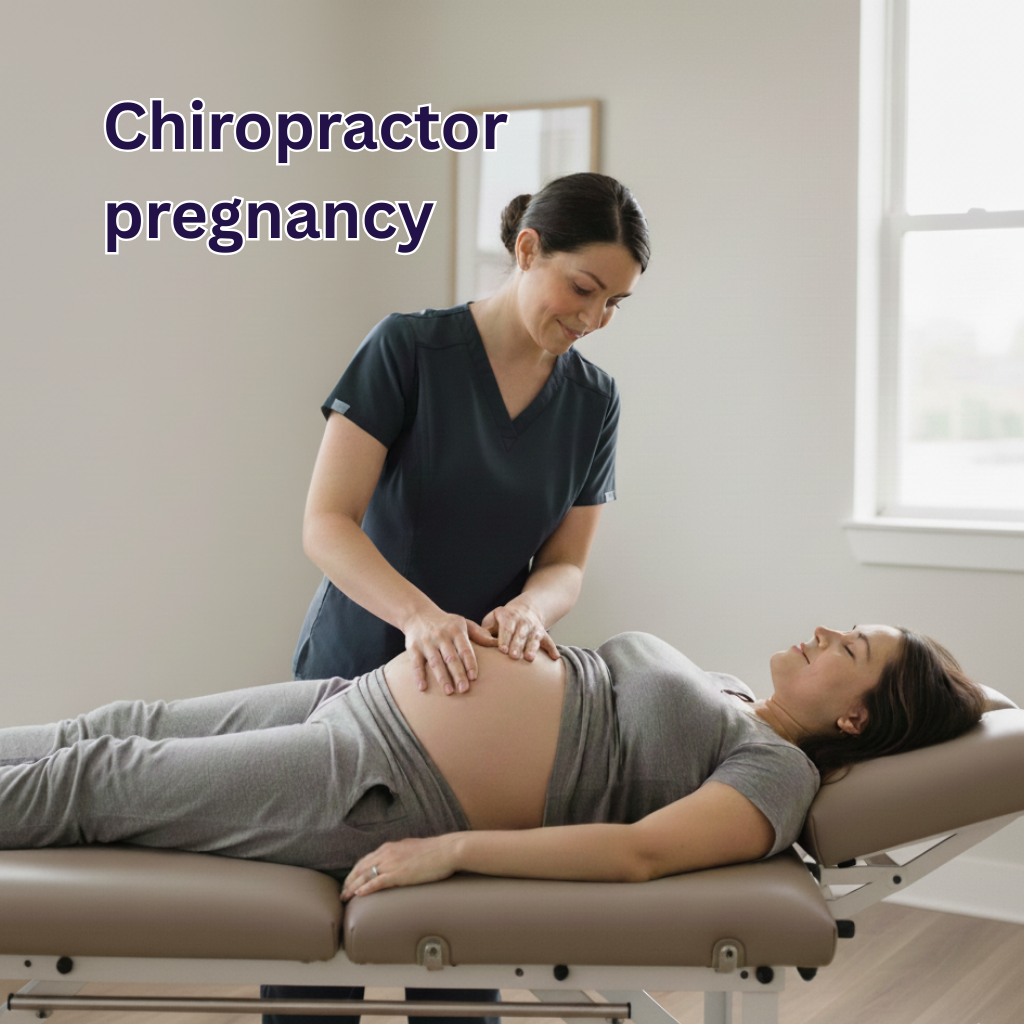
When you're pregnant, finding the right provider is everything. Here are the key factors to consider when finding a chiropractor for pregnancy.
Safety and Non-Invasive Nature
Your top priority is the health of you and your baby. Ensure the chiropractor uses gentle chiropractic for pregnant women, including modified adjustment techniques and specialized equipment. Ask about their approach and the specific methods they use.
Effectiveness for Common Pregnancy-Related Pain
The practitioner should have extensive experience treating conditions like sciatica, pubic symphysis dysfunction, round ligament pain, and general back and hip pain in pregnant women. This is where experience truly matters. Our clinic's broad expertise in complex biomechanical issues gives us a unique advantage. One patient noted, "I was in a car collision and had nonstop knee and leg pain. Shockwave therapy has helped more than anything else..." This deep understanding of trauma and recovery translates directly to managing the significant biomechanical stress of pregnancy.
Potential Benefits for Labor, Delivery, and Baby's Positioning
A true perinatal chiropractor does more than chase pain. Ask them about their philosophy on preparing the body for birth, their experience with intrauterine constraint, and their approach to promoting optimal fetal positioning. Look for certifications in techniques like the Webster technique.
Practitioner's Specialization and Experience
How much of their practice is devoted to pregnant women and families? A family wellness chiropractor with a focus on perinatal and pediatric care will have a much deeper understanding of your needs. Our philosophy centers on restoring function for life's demands. As another client shared, "Shockwave treatment has helped my shoulder pain tremendously! It has allowed to start playing golf again..." Whether it's preparing for sport or preparing for birth, the principle is the same: a body that moves well, functions well.
Making the Right Choice for Your Needs
Every pregnancy is unique, and your reasons for seeking care will be, too. The best approach is the one that aligns with your personal health goals and circumstances.
For the Pain-Focused Patient
If you're in your second or third trimester and significant pain is impacting your daily life, your priority is relief. A chiropractor can offer safe, effective, and targeted treatments to alleviate your discomfort and help you enjoy the remainder of your pregnancy. Look for a provider with a proven track record in managing acute pregnancy-related pain.
For the Proactive Planner
If you are early in your pregnancy and focused on a holistic, low-intervention birth, then a proactive approach is for you. Seek a perinatal chiropractor who emphasizes optimizing pelvic biomechanics from the start. This becomes a strategic part of your birth plan, alongside prenatal yoga and education, to prepare your body for a smoother labor and postpartum recovery.
For the Cautious Researcher
If you're intrigued but nervous, your first step is a consultation. A trustworthy chiropractor will take the time to answer all your questions, explain their techniques, and show you the evidence supporting their care. Ask about their specific training in prenatal care, their safety protocols, and what you can expect. A good provider will empower you with information, not pressure you into a decision.
Ultimately, the goal of chiropractic care during and after pregnancy—from postpartum chiropractic care for restoring pelvic balance postpartum to chiropractic care after c-section—is to support your body's innate ability to heal and function. This extends to your new baby, as a pediatric chiropractor after birth can assess and address potential issues from the birthing process. It's a continuum of care for the whole family.
At Pure Relief Pain Solutions Chiropractic in Austin, TX, we are committed to a professional, solution-oriented approach that prioritizes your health and goals. We combine extensive experience in prenatal and postpartum care with advanced diagnostic tools to understand the root cause of your concerns. If you are in the Austin, TX area and looking for a trusted partner in your pregnancy wellness journey, contact us to schedule a comprehensive evaluation and learn how we can help you prepare for a healthier, more comfortable birth experience.


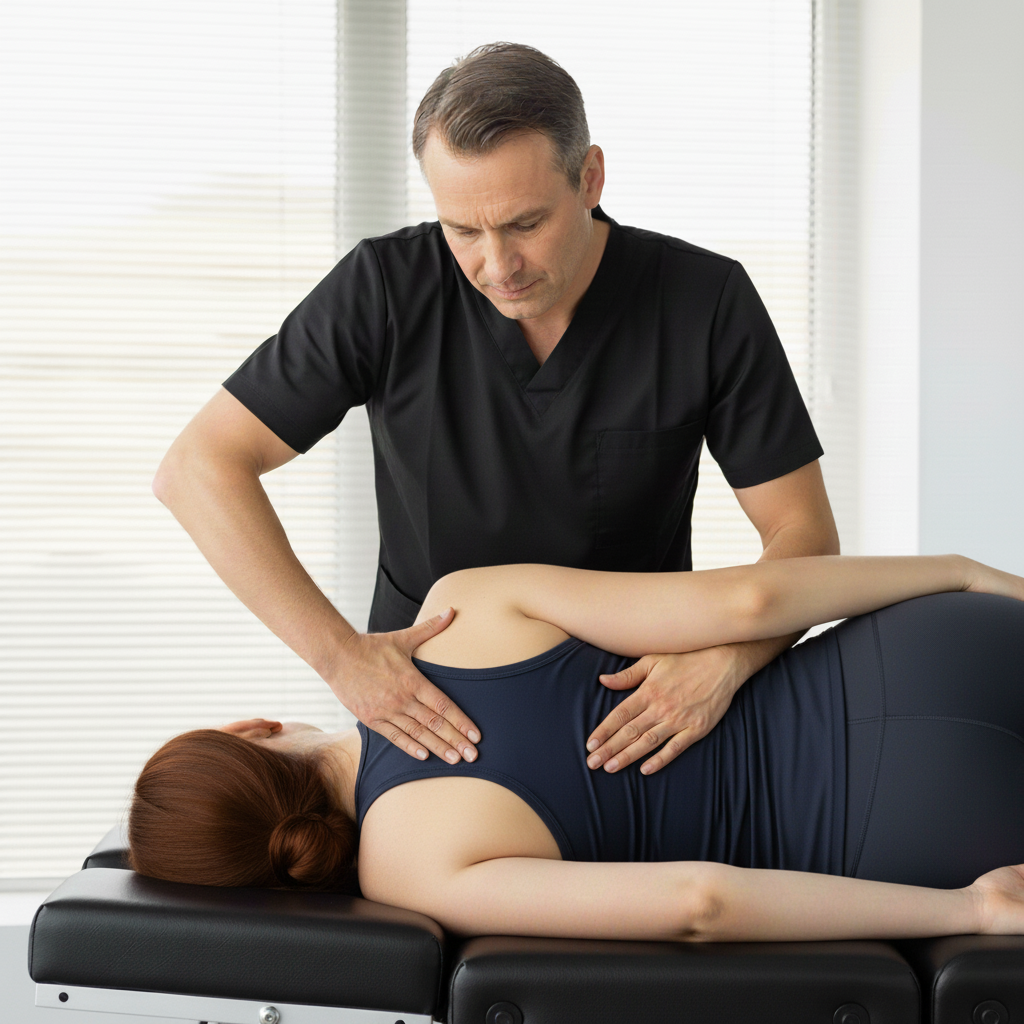
Call us today or use our contact form to request an appointment and start getting relief.

