.png)
Beyond the knots: How chiropractic adjustments can lower cortisol and calm anxiety


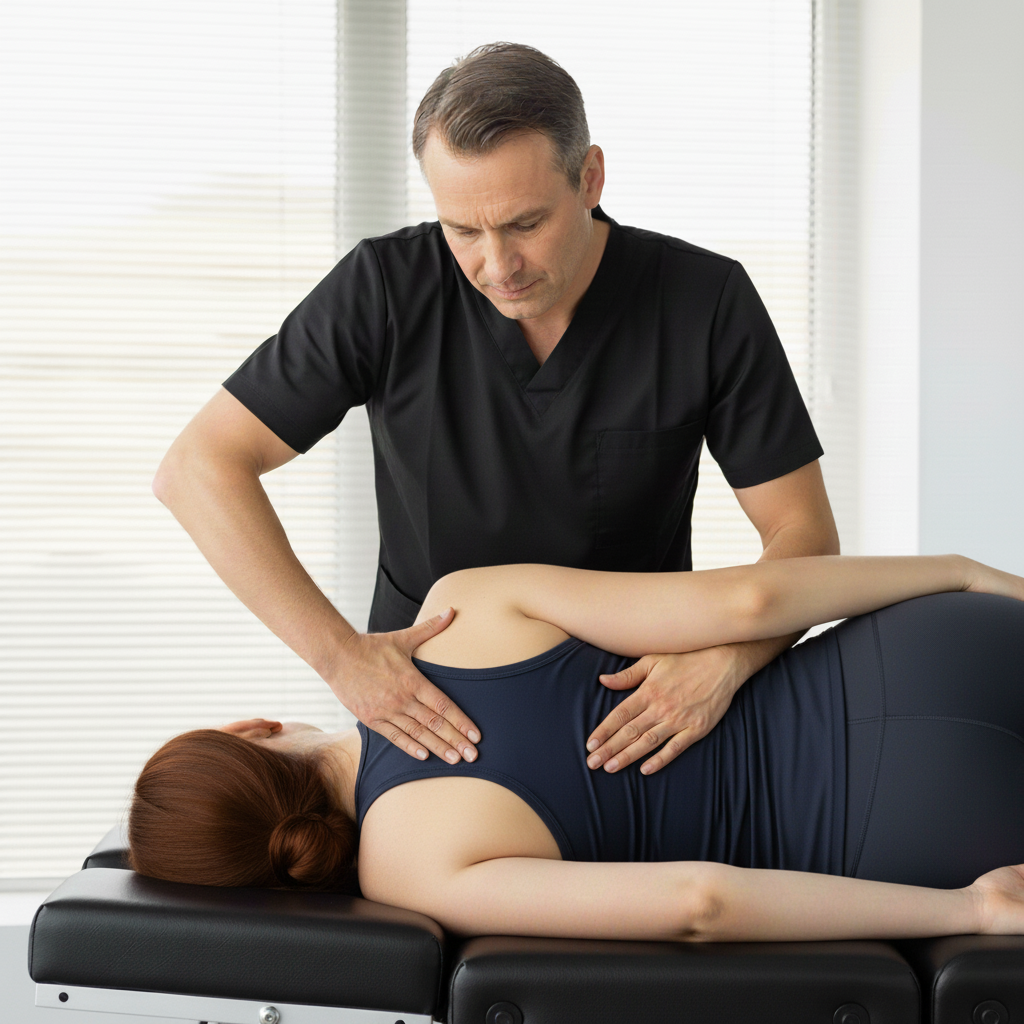
Chiropractic care offers a powerful, non-pharmaceutical approach to managing stress and anxiety by directly influencing the body's biochemistry. Beyond relieving physical tension, specific spinal adjustments help regulate the nervous system, interrupting the chronic "fight-or-flight" response and measurably reducing levels of cortisol, the primary stress hormone.
The Overlooked Link Between Your Spine and Your Stress Levels
When you feel stressed or anxious, your first instinct might be to notice the physical symptoms: a tight neck, tension headaches, or a clenched jaw. For many, these are the signals that prompt a search for relief. While it's true that chiropractic care is highly effective for these physical manifestations of stress, its most profound benefits lie deeper, at the intersection of your spine and your nervous system.
Your spine is not just a structural frame; it's the central conduit for your entire nervous system. It houses the spinal cord, the superhighway that facilitates constant communication between your brain and every cell, tissue, and organ in your body. When vertebrae in the spine are misaligned—a condition known as vertebral subluxation—it can create interference or "static" in this communication system. This static can disrupt the body's ability to adapt to its environment, often leaving the nervous system stuck in a state of high alert.
This persistent high-alert state is the physiological foundation of chronic stress and anxiety. Your body behaves as if it's under constant threat, even when no external danger is present. Addressing spinal alignment is a direct way to improve brain-body communication for anxiety, helping to restore balance and calm this overactive internal alarm system.
The Cortisol Connection: Interrupting the "Fight-or-Flight" Response
Your body's primary stress response is governed by the sympathetic nervous system, often called the "fight-or-flight" system. When triggered, it floods your body with hormones like adrenaline and cortisol. While this is useful for acute emergencies, modern life often leads to this system being chronically activated, resulting in persistently elevated cortisol levels.
High cortisol is linked to a host of health problems, including anxiety, depression, sleep disturbances, weight gain, and impaired immune function. Chiropractic adjustments can directly intervene in this process. By correcting spinal misalignments, particularly in the upper cervical (neck) and thoracic (mid-back) regions, chiropractic care helps down-regulate the sympathetic nervous system. This intervention helps the body shift out of its emergency mode.
The evidence for this is not just anecdotal. Clinical research is demonstrating these physiological effects. For instance, in a detailed case study of a 40-year-old woman suffering from chronic neck pain, headaches, and anxiety, a course of chiropractic management was associated with a measurable decline in her salivary cortisol levels, providing objective proof of the treatment's biochemical impact according to researchers. This shows how chiropractic adjustments reduce cortisol, moving beyond subjective feelings of wellness to concrete physiological change.
Activating Your "Calm" Switch: The Vagus Nerve and the Parasympathetic System
If the sympathetic system is your body's gas pedal, the parasympathetic nervous system is the brake. This is the "rest-and-digest" system responsible for relaxation, healing, and recovery. A key player in activating this system is the vagus nerve, the longest cranial nerve in your body, which wanders from the brainstem down to the abdomen, influencing your heart rate, breathing, and digestion.
Stimulating the vagus nerve is a proven way to reduce anxiety and promote a state of calm. Chiropractic adjustments, especially those focused on the upper cervical spine where the vagus nerve exits the skull, can have a direct positive effect on its function. By restoring proper motion and alignment in this critical area, chiropractic care can help "turn on" this calming switch, shifting your entire nervous system from a high-alert state to one of peace and equilibrium. This is a core mechanism behind how chiropractic care promotes relaxation and helps in managing anxiety with spinal adjustments.
Breaking the Vicious Pain-Anxiety Loop
Chronic pain and anxiety often exist in a debilitating feedback loop. Pain is a significant physiological stressor that can trigger or worsen anxiety. In turn, anxiety can increase muscle tension and heighten the perception of pain, creating a cycle that is difficult to break.
Many common physical ailments like neck pain, chronic tension headaches, and back pain are direct contributors to an individual's mental and emotional burden. It's no surprise that over 16 million Americans report persistent back pain that limits their activities, with studies showing a strong symbiotic relationship between this pain and conditions like depression and anxiety. By addressing the root physical cause of the pain through chiropractic adjustments, we can remove a major trigger for anxiety.
This is where treating the physical symptoms of stress has a profound impact on mental health. As one patient noted after experiencing a traumatic event, "I was in a car collision and had nonstop knee and leg pain. Shockwave therapy has helped more than anything else..." By alleviating the constant stressor of pain, whether from an accident or a chronic condition, the nervous system is given a chance to reset. Similarly, another individual found that addressing a persistent physical issue was key to returning to a life they enjoyed: "Shockwave treatment has helped my shoulder pain tremendously! It has allowed me to start playing golf again..." Eliminating these sources of chronic stress frees up the body's resources to better manage emotional and mental challenges.
Symptomatic Relief vs. Neurological Regulation: A Closer Look
When considering chiropractic care for stress, it's helpful to understand the two primary ways it provides benefits. Both are valuable, but they address the problem from different angles.
Symptomatic Physical Relief
.png)
This is the most commonly understood benefit. It focuses on addressing the direct physical results of stress, such as tense muscles in the neck and shoulders or stress-induced headaches.
Pros: Immediate and tangible relief from discomfort, improves range of motion, directly targets the "knots" and tension you can feel.
Cons: May provide temporary relief if the underlying cause—a dysregulated nervous system—is not also addressed. It can feel like treating the symptom rather than the root cause of the chronic stress state.
Biochemical & Neurological Regulation
This is the core thesis of this article. This benefit focuses on how spinal adjustments influence the nervous system to restore balance, lower stress hormones like cortisol, and promote a state of calm from the inside out.
Pros: Addresses the root physiological cause of chronic stress and anxiety, offers long-term benefits for mental health, supported by objective evidence of hormonal changes, and promotes overall wellness and resilience.
Cons: Benefits may be more subtle and accumulate over time rather than being felt in a single "aha" moment. Requires a consistent course of care to achieve and maintain significant physiological shifts.
Bridging the Gap: Chiropractic Care and Mainstream Medicine
A common question is, "Why might some doctors be hesitant about chiropractic care?" Historically, there has been a divide between mainstream medicine and chiropractic, often due to differences in philosophy and a lack of inter-professional communication. However, this landscape is rapidly changing. As more robust evidence for chiropractic and mental health emerges, an increasing number of medical doctors and specialists recognize the value of chiropractic care, particularly as a non-pharmaceutical treatment for musculoskeletal pain—a major contributor to the stress burden.
The modern, holistic approach to health emphasizes collaboration. The goal is to build a team of providers who work together for your overall wellness. Communicating with all your health providers ensures that your care is integrated and comprehensive. Furthermore, the evidence continues to grow. For example, a case report of a 38-year-old female with a history of anxiety and panic attacks showed that her course of chiropractic care was associated with significant improvement in her mental health, as measured by the standardized PHQ-4 questionnaire according to the journal.
Making the Right Choice for Your Needs
Deciding if chiropractic care is the right approach for your stress and anxiety depends on your specific circumstances and health goals. It is not a one-size-fits-all solution, but for many, it is a critical component of a comprehensive wellness strategy.
For the 'Stressed Professional'
If you're dealing with the dual burden of a high-pressure job that causes both mental anxiety and physical tension (neck pain, backaches from sitting), chiropractic offers a two-pronged solution. The care addresses the immediate physical pain while simultaneously working to lower cortisol levels and regulate your nervous system. This can lead to improved mental clarity, better sleep, and greater resilience against work-related stress.
For the 'Chronic Pain Sufferer'
If long-term physical ailments have led to secondary anxiety or depression, chiropractic care presents a powerful, non-pharmaceutical path forward. By focusing on the link between spinal health and anxiety, treatment can help break the pain-anxiety cycle. For those seeking alternatives to long-term medication, this holistic approach addresses the root structural issues that contribute to both physical and emotional distress.
For the 'Wellness Seeker'
If you are proactively interested in non-invasive methods for optimizing mental health, chiropractic care is an excellent fit. The focus on achieving homeostasis—a state of internal balance—and improving nervous system function aligns perfectly with a preventative wellness philosophy. Regular chiropractic adjustments can be a tool for managing stress before it becomes chronic, enhancing your body's natural ability to adapt and thrive.
Ultimately, the most effective path to managing stress and anxiety is one that addresses both the mind and the body. At Pure Relief Pain Solutions Chiropractic in Austin, TX, we focus on evidence-based, holistic strategies that get to the root of your symptoms. By correcting spinal alignment and restoring proper nervous system function, we help your body shift from a state of chronic stress to one of lasting calm and wellness. For a personalized assessment to see if this approach is right for you, contact our expert team today.


Call us today or use our contact form to request an appointment and start getting relief.

