.png)
Beyond bed rest: a strategic guide to healing disc herniation without surgery


True, lasting recovery from a bulging or herniated disc without surgery is achieved not through passive waiting but through an active, strategic plan. This approach focuses on using specific, targeted movements to decompress the spine, reduce nerve pressure, and systematically build a strong, supportive 'muscular corset' to protect your discs from future injury.
The Great Misconception: Why the Bed Rest Myth Fails Your Spine
For decades, the default prescription for acute back pain from a "slipped disc" was simple: go to bed and stay there. The logic seemed sound—if movement hurts, stop moving. However, as our understanding of spinal biomechanics has deepened, we've realized this advice is not just outdated; it's often counterproductive to the healing process. While a day or two of relative rest can help calm initial, severe inflammation, prolonged bed rest can set off a cascade of negative effects that hinder recovery.
When you remain immobile, the intricate network of muscles supporting your spine begins to weaken and atrophy. These muscles, particularly the deep core stabilizers, are essential for providing segmental stability to your vertebrae. Without their support, more stress is placed directly on the spinal discs and ligaments, potentially worsening the underlying problem. Furthermore, a lack of movement reduces vital blood flow and nutrient exchange to the injured disc, slowing down the very cellular repair processes needed for healing. Your joints can become stiff, and a cycle of pain, fear of movement, and further deconditioning can quickly set in. The focus must shift from immobilization to intelligent mobilization.
Decompress vs. Compress: A New Framework for Your Daily Life
To begin your active recovery, it's essential to understand a simple yet powerful framework: every movement and posture you adopt either compresses your spinal discs or helps to decompress them. Imagine your intervertebral disc as a small, jelly-filled cushion. Compressive forces squeeze this cushion, potentially pushing the jelly-like nucleus out through a tear in the outer wall (an annular tear), leading to a bulging or herniated disc that can press on a nearby nerve. Decompressive forces, on the other hand, gently create space between the vertebrae, which can help draw the bulging material back toward the center of the disc and relieve pressure on the nerve.
Common Compressive Forces (What to Avoid or Modify)
Many daily activities unknowingly contribute to spinal compression and can aggravate symptoms of a herniated disc, such as sciatica or leg numbness. Understanding what exercises to avoid with a herniated disc is the first step in protecting your spine. These often include:
- Prolonged Sitting: Especially with poor posture, sitting for long periods dramatically increases the load on your lumbar discs. This is a primary reason why so many people experience herniated disc pain relief while sitting as a challenge and need ergonomic solutions for disc pain.
- Improper Lifting: Bending at the waist instead of with your hips and knees places immense shearing and compressive forces on your lower back.
- High-Impact Activities: Running on hard surfaces, jumping, or any jarring activity can repeatedly compress the spine.
- Certain Stretches and Exercises: Forward-bending exercises like sit-ups, crunches, or toe-touches can directly squeeze the front of the disc, pushing the herniated material further backward toward the spinal nerves.
Powerful Decompressive Actions (What to Embrace)
The goal of decompressive movement is to create negative pressure within the disc, promoting a healing environment. These are not aggressive stretches but gentle, specific actions that provide relief. This is the foundation of how to heal a herniated disc naturally at home.
- Positional Decompression: Simply lying on your back with your lower legs elevated on a chair or ottoman can use gravity to gently open up the spinal joints and provide immediate relief.
- Gentle Extension Exercises: For many lumbar disc issues, controlled backward bending movements, like those found in the McKenzie Method for disc protrusion, can help centralize pain by encouraging the disc material to move away from the nerve root. Lying on your stomach and gently propping yourself up on your elbows is a common starting point.
- Mindful Walking: Walking is a fantastic, low-impact activity that encourages fluid movement and nutrient exchange in the discs without the jarring force of running.
- Aquatic Therapy: The buoyancy of water unloads the spine, making hydrotherapy for lumbar disc herniation an excellent way to move and strengthen muscles without compression.
Building Your 'Internal Brace': The True Path to Long-Term Stability
While decompressive movements offer relief, long-term prevention of recurrence hinges on building a powerful and responsive support system for your spine. This is not about building a six-pack with endless crunches. The real key lies in activating and strengthening your deep core muscles to form a natural, 'internal brace' or 'muscular corset'. The two most important players in this system are the transverse abdominis (TVA) and the multifidus muscles.
The TVA is your deepest abdominal muscle, wrapping around your torso like a corset. When properly engaged, it creates intra-abdominal pressure that stiffens the spine and unloads the discs. The multifidus muscles are small, deep muscles that run along the back of your spine, providing stability to each individual vertebral segment. Following a disc injury, these muscles often become inhibited and stop firing correctly. A core strengthening for disc injury program must specifically target these muscles to restore their function.
Foundational exercises to activate this internal brace include:
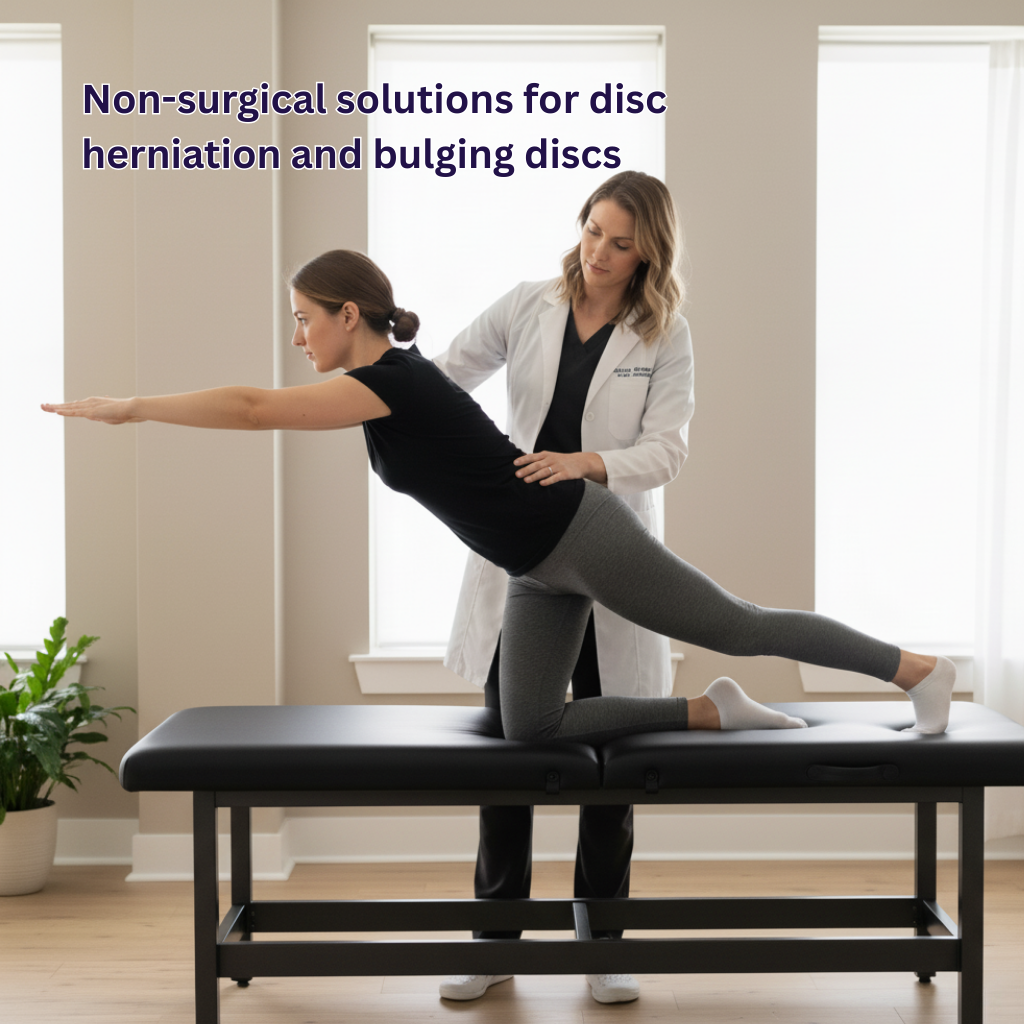
- The Dead Bug: Lying on your back, you learn to move your opposite arm and leg while keeping your deep core engaged and your lower back stable against the floor.
- The Bird-Dog: On all fours, you extend an opposite arm and leg, challenging your body to resist rotation and maintain a neutral spine, directly engaging the multifidus and TVA.
- Pelvic Tilts: A subtle but powerful exercise to improve awareness and control of the lumbar spine and activate the lower abdominal wall.
Mastering these movements builds a foundation of stability that no external brace can replicate, providing dynamic support throughout your daily activities and protecting your discs from excessive strain.
A Phased Recovery Plan: From Acute Pain to a Resilient Back
The journey from debilitating disc pain to a strong, resilient back can feel overwhelming. Structuring it into phases makes the process manageable and ensures you are doing the right things at the right time. This is the essence of effective conservative treatment for degenerative disc disease and disc herniations.
Phase 1: Calm the Fire (Immediate Pain Relief)
During the acute phase, the primary goal is to reduce pain and inflammation. The focus is on finding positions of relief and using gentle, decompressive movements. This might involve using non-steroidal anti-inflammatory drugs for disc pain or considering natural anti-inflammatory for disc herniation options under a doctor's guidance. Gentle exercises, like the positional decompression and basic McKenzie Method movements described earlier, are key. This phase is about listening to your body, identifying pain triggers, and avoiding any activity that worsens your symptoms, particularly radiating nerve pain.
Phase 2: Build the Foundation (Stabilization)
Once the initial, severe pain has subsided, you can shift your focus to reactivating the deep core stabilizers. This is where the 'internal brace' exercises like the dead bug and bird-dog become central to your routine. The goal here is not to push through pain but to achieve perfect form and control, re-establishing the mind-muscle connection with your TVA and multifidus. This is a critical step in slipped disc recovery without surgery and is often where physical therapy for lumbar disc herniation begins its work.
Phase 3: Increase Resilience (Functional Strength and Prevention)
In the final phase, you begin integrating your newfound core stability into more complex, functional movements that mimic daily life. This involves strengthening the larger muscle groups of the hips, glutes, and back in a spine-safe manner. It's also where you focus on long-term prevention strategies, such as postural correction for disc pain and implementing better ergonomics at work and home. Consistent flexibility work becomes important here; gentle neck, back, and hamstring stretches may improve flexibility and help prevent a herniated disk from recurring according to health experts. This proactive approach is what allows you to return to the activities you love with confidence, knowing you have built a more resilient spine.
Comparing Your Options: Active Strategy vs. Passive Treatments vs. Surgery
When faced with a disc diagnosis, patients are often presented with a spectrum of choices. Understanding the fundamental differences in their philosophy and expected outcomes is crucial for making an informed decision. Let's compare the three main paths: the active strategy, passive treatments, and surgical intervention.
The Active Strategy (Targeted Movement & Core Strengthening)
Long-term effectiveness vs. temporary pain relief:
High. This approach is designed to address the root biomechanical causes of disc injury—instability and compression. By building a strong, supportive core and improving movement patterns, it creates a lasting solution rather than just masking symptoms.
Level of patient involvement required for success:
High. Success is directly proportional to the patient's commitment to performing the exercises and making lifestyle modifications consistently. It empowers you to take control of your own health.
Avoidance of invasive procedures and surgery:
This is the primary goal. It is one of the most effective alternatives to back surgery for herniated discs and represents the gold standard in conservative care.
Prevention of future recurrence:
Excellent. By building a resilient 'internal brace' and improving body mechanics, this strategy directly reduces the risk of future flare-ups or injuries to other spinal levels.
Passive Treatments (Relying Solely on External Therapies)
Long-term effectiveness vs. temporary pain relief:
Low to Moderate. Treatments like massage therapy for herniated disc pain relief, heat packs, or even epidural steroid injections for disc pain can provide significant temporary relief from symptoms. However, because they don't address the underlying instability, the pain often returns once the treatment's effect wears off.
Level of patient involvement required for success:
Low. The patient is a passive recipient of the treatment. While this can seem appealing, it fails to build the strength and resilience needed for long-term health.
Avoidance of invasive procedures and surgery:
These treatments are non-surgical, but some, like injections, are still minimally invasive. They are often used as a bridge to manage pain but may not prevent the eventual need for more invasive options if the root cause is ignored.
Prevention of future recurrence:
Poor. Without building strength and stability, the disc remains vulnerable to the same forces that caused the initial injury.
Surgical Intervention (e.g., Laminectomy, Discectomy)
Long-term effectiveness vs. temporary pain relief:
Variable. Surgery can be highly effective and necessary for certain conditions, such as cauda equina syndrome or progressive neurological deficits. However, it is not a guaranteed cure-all. In fact, for many candidates, the long-term outcomes are not significantly better than non-surgical approaches. A comprehensive cohort study found that while surgery patients had better pain relief at one month, there was no significant difference in outcomes between the surgery and non-surgery groups over the following 24 months as published in Nature.
Level of patient involvement required for success:
High. Successful surgical outcomes depend heavily on diligent adherence to a post-operative physical therapy and rehabilitation program, which mirrors many principles of the active strategy.
Avoidance of invasive procedures and surgery:
This is the most invasive option, carrying inherent risks such as infection, nerve damage, and complications from anesthesia.
Prevention of future recurrence:
Poor. Surgery on one disc segment does not address the overall biomechanics of the spine and can sometimes lead to adjacent segment disease, where the discs above or below the surgical site break down due to increased stress.
Advanced Non-Surgical Therapies That Accelerate Healing
For many patients, integrating advanced therapeutic technologies into their active recovery plan can significantly speed up the healing process and provide more profound relief. These treatments work synergistically with the principles of decompression and stabilization. So, what are the new treatments for bulging discs? Many fall under this category of advanced conservative care.
Non-Surgical Spinal Decompression
This is not the same as simple inversion or traction tables. Modern non-surgical spinal decompression therapy uses a computer-controlled table to apply a precise, gentle, and intermittent decompressive force to the specific spinal segment that is injured. This process is believed to lower the pressure inside the disc, which can help retract the herniated or bulging disc material and create an influx of healing nutrients. The evidence for its effectiveness is growing. For instance, MRI studies have confirmed that nonsurgical spinal decompression (NSD) therapy can be effective at reducing the size of lumbar disc herniations in patients with low back pain according to research. This directly addresses the question of how to shrink my herniated disc naturally. Furthermore, a case series of 13 patients demonstrated that non-surgical spinal decompression resulted in a significant improvement of pain (80% reduction) and disability (50% reduction) as documented in a 2024 study.
Cold Laser Therapy (Photobiomodulation)
Cold laser therapy for bulging disc issues is another promising technology. This therapy uses specific wavelengths of light to penetrate tissue and stimulate cellular activity at the mitochondrial level. The result is a biological cascade that can reduce inflammation, alleviate pain, and accelerate tissue repair. It is a painless, non-invasive modality that can help calm irritated nerve roots and promote a healthier environment for the disc to heal.
Other Promising Approaches
The field of non-invasive spine care continues to evolve. Therapies like shockwave therapy are also showing promise. As one patient dealing with post-traumatic symptoms noted, "I was in a car collision and had nonstop knee and leg pain. Shockwave therapy has helped more than anything else..." While their pain source was complex, the ability of such therapies to address chronic inflammation and nerve-related pain pathways is relevant to disc conditions that cause radiating leg pain. Another patient found it key to restoring their quality of life, stating, "Shockwave treatment has helped my shoulder pain tremendously! It has allowed to start playing golf again..." The principle is the same: advanced therapies should aim to restore function and get you back to the activities you love. Additionally, approaches like acupuncture for pinched nerves from bulging disc, myofascial release, and even regenerative medicine for spinal discs are part of the expanding toolkit for comprehensive, non-surgical spine care.
Your Questions Answered: Common Concerns About Non-Surgical Recovery
Navigating a disc injury diagnosis brings up many questions. Here are direct answers to some of the most common concerns.
How can you fix a bulging disc without surgery?
You fix it with a strategic, active approach. This involves: 1) Identifying and avoiding compressive activities. 2) Using gentle, decompressive movements to create space and relieve nerve pressure. 3) Systematically strengthening your deep core muscles to build an 'internal brace' for support. 4) Integrating advanced therapies like non-surgical spinal decompression to accelerate the natural healing process.
What is the permanent solution for disc bulge?
The most permanent solution is not a single treatment, but a change in how your body supports its own spine. Building and maintaining a strong, stable, and responsive core—the 'muscular corset'—is the key. This provides ongoing protection against the biomechanical stresses that lead to disc problems, dramatically reducing the risk of recurrence and allowing you to live a normal life with a herniated disc.
How long for a herniated disc to heal without surgery?
Healing times vary widely depending on the severity of the herniation, your age, overall health, and commitment to the recovery plan. Minor symptoms may resolve in a few weeks. More significant herniations with nerve compression can take several months. The key is consistent effort. The symptoms of a healing herniated disc often include centralization (pain retreating from the leg back toward the spine) and a gradual increase in your ability to perform daily activities without pain.
Will a chiropractor help a bulging disc?
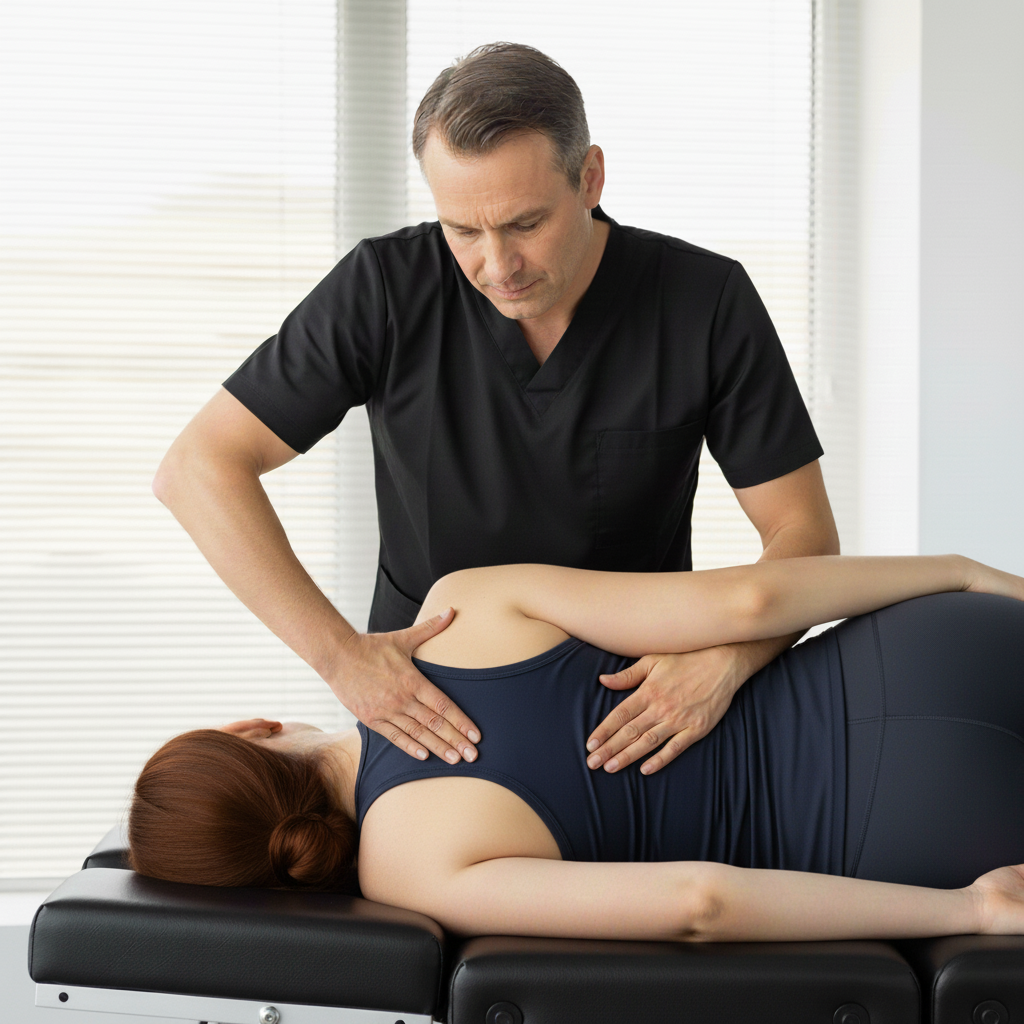
A chiropractor with expertise in disc injuries can be an invaluable partner in your recovery. In the debate of physical therapy vs chiropractic for herniated disc, many find the best approach combines elements of both. A modern, evidence-based chiropractor will provide an accurate diagnosis, use gentle manual therapies to improve spinal mobility and reduce pain, and—most importantly—guide you through a specific, progressive rehabilitation program focused on decompression and core stabilization. They can also administer and oversee advanced modalities like spinal decompression and laser therapy.
Making the Right Choice for Your Needs
There is no single "best" path for everyone. The optimal strategy depends on your unique situation, your goals, and your history. Here is some tailored advice based on common patient profiles.
For the Active Athlete
Your body is your instrument, and a disc injury can feel like a devastating setback. Your focus should be on an aggressive, intelligent active recovery plan. Passive treatments will not restore the high level of stability and resilience you need to return to sport safely. Your goal is not just to be pain-free but to be stronger and more stable than you were before the injury. A plan that combines manual therapy, advanced modalities like laser or shockwave to speed tissue repair, and a performance-focused core strengthening program is ideal for you.
For the Chronic Pain Sufferer
You have likely been down the road of passive treatments. You may have tried medications, injections, and various therapies with only temporary relief. This is a sign that the underlying instability has never been addressed. For you, the active strategy is not just an option; it is the fundamental shift required for a different outcome. It will require patience and commitment, as you are working to reverse long-standing patterns of muscle weakness and dysfunction. A guided program that starts slowly and progressively builds your strength and confidence is the most reliable path to reclaiming your life from chronic pain.
For the Post-Accident Patient
Following a sudden injury like a car accident or a fall, you are dealing with acute pain and inflammation. Your immediate priority is to calm the irritated tissues and prevent the injury from becoming a chronic problem. A combination approach is often best. Advanced therapies like non-surgical spinal decompression or cold laser therapy can provide significant and rapid pain relief in the initial stages. This relief creates a crucial window of opportunity to begin the gentle movements and stabilization exercises of the active strategy, setting you on a course for a full and lasting recovery.
Ultimately, a successful non-surgical recovery from a herniated or bulging disc is an active process. It requires a knowledgeable guide, a commitment to the process, and a strategy that addresses both the immediate symptoms and the underlying cause. By focusing on decompression and building a truly supportive core, you can move beyond temporary fixes and build a stronger, more resilient spine for the long term. For patients seeking a comprehensive, personalized plan that integrates these advanced, non-surgical solutions, a thorough consultation is the best first step. The team at Pure Relief Pain Solutions Chiropractic in Austin, TX, specializes in creating such tailored recovery programs to help you find lasting relief and get back to the life you enjoy.


Call us today or use our contact form to request an appointment and start getting relief.

