.png)
Why stretching alone isn't curing your plantar fasciitis (and what to do instead)


Lasting, non-surgical relief from chronic plantar fasciitis requires moving beyond temporary fixes like simple stretching and icing. The key is to break the cycle of re-injury by systematically strengthening the plantar fascia itself, building a more resilient foundation to handle daily stress and prevent future pain.
That First Agonizing Step: Understanding the Plantar Fasciitis Puzzle
If you're reading this, you are likely all too familiar with the sharp, stabbing pain in your heel. It's that brutal first step out of bed in the morning, the searing discomfort after sitting for a long time, or the throbbing ache that cuts a walk or run short. This is the hallmark of plantar fasciitis, a condition that affects a huge number of people. In fact, around 1 in 10 people will develop plantar fasciitis at some point throughout their life, making it one of the most common causes of foot pain seen by a doctor or foot specialist for heel pain.
The standard advice is everywhere: rest your feet, roll your foot on a frozen water bottle, take some NSAIDs for plantar fasciitis pain, and do some basic calf stretches. For many people with a new, acute case, this self-care for plantar fasciitis might provide some initial relief. But for a significant number, this becomes a frustrating, years-long battle. The pain subsides temporarily, only to roar back after a long day at work or an attempt to return to exercise. This isn't a failure on your part; it's a failure of the approach.
The 'Pain-Inflammation Cycle': Why Temporary Fixes Fail
The core problem with chronic plantar fasciitis is what we call the "Pain-Inflammation Cycle." Here’s how it works: you experience pain, which is a signal of tissue distress. You apply traditional treatments like icing for heel inflammation or rest. The pain decreases, so you assume the tissue has healed. You return to your normal activity, but because the underlying tissue was never made stronger, it can't handle the load. The weak fascia is quickly overloaded, causing micro-tears, and the pain and inflammation return, often worse than before. You are right back where you started.
This frustrating loop of re-injury occurs because the fundamental issue has been misunderstood. For chronic sufferers, the problem is often less about active inflammation (the "-itis" in fasciitis) and more about tissue degradation. Experts are increasingly using the term 'plantar fasciopathy' to reflect this shift, indicating a degenerative condition of the fascia's collagen rather than a simple inflammatory one. Simply resting and icing doesn't rebuild degenerated tissue. It's like patching a pothole with sand; the first car that drives over it will blow it right out. This is why a plantar fasciitis home treatment plan based solely on passive care often leads nowhere for those with long-term heel pain.
Stretching Isn't Enough: The Critical Role of Strengthening
For decades, the cornerstone of conservative care for foot pain has been stretching, particularly the classic towel stretch for plantar fascia and various calf stretches to relieve foot pain. While flexibility is important for the overall biomechanics of the foot and ankle, stretching alone does not increase the load-bearing capacity of the plantar fascia. Think of it like a frayed rope. You can stretch the rope, but that won't make the fibers stronger or less likely to snap under pressure.
The counter-intuitive but evidence-backed solution is a paradigm shift: we must strategically and progressively *load* the tissue to stimulate healing and build true resilience. This is accomplished through a specific protocol known as high-load strength training.
High-Load Strength Training: Building a Bulletproof Fascia
This isn't about general foot strengthening; it's a targeted procedure. The most common and effective exercise involves a single-leg heel raise with the toes elevated on a rolled-up towel or book. This position places the foot in dorsiflexion, putting specific tension on the plantar fascia while the calf muscles do the work.
The protocol is precise:
- Slow and Controlled Movement: A 3-second concentric phase (raising the heel), a 2-second isometric hold at the top, and a 3-second eccentric phase (lowering the heel).
- Progressive Overload: You begin with a certain number of repetitions and sets (e.g., 3 sets of 12 reps) every other day. As this becomes easier, you increase the load by wearing a backpack with weights or holding a dumbbell.
This controlled loading stimulates cells within the fascia called fibroblasts to synthesize new, robust collagen, effectively remodeling and thickening the tissue. Over weeks and months, the fascia becomes more durable and capable of absorbing the stresses of daily life, from prolonged standing to high-impact running. This approach moves you from a state of managing pain to one of building a permanent solution. This is how to cure plantar fasciitis permanently for many people who have failed other conservative treatments.
Active Recovery vs. Passive Rest: The Art of Load Management
When you're in pain, the natural instinct is to stop all activity. But complete, passive rest can be counterproductive. It weakens muscles and further deconditions the fascia, making it even more susceptible to injury when you resume activity. The modern approach is "active recovery," which centers on the concept of load management.
Load management means finding the sweet spot where you are doing enough activity to stimulate healing without exceeding the tissue's current capacity and causing a flare-up. So, is walking good for plantar fasciitis? It depends. A short walk on a soft surface in supportive shoes might be therapeutic, while a long walk on concrete in flat sandals could be disastrous. The key is to listen to your body and modify your activity, not eliminate it.
This is where a healthcare professional can provide immense value through a proper foot pain diagnosis without MRI in most cases, and by guiding activity modification for runners with foot pain or workers who stand all day. They can help you determine your tissue's current tolerance and create a graded exposure plan to safely return you to the activities you love.
When to See a Doctor for Heel Pain
While a home-based strengthening program is powerful, professional guidance is crucial, especially if:
- Your pain is severe or prevents you from performing daily activities.
- You've been trying at-home remedies for foot pain for more than a few weeks without improvement.
- You suspect symptoms of a plantar fascia tear, which includes a sudden "popping" sound, severe pain, and significant swelling.
- The pain is not improving after several months of dedicated conservative care. A formal physical therapy for arch pain program may be necessary.
A specialist, such as a non-surgical foot and ankle specialist or a knowledgeable chiropractor, can perform a physical exam and gait analysis for foot pain to confirm the diagnosis and rule out other issues like heel spur syndrome or stress fractures. This ensures you're on the right conservative care pathway for your foot pain.
Innovative Treatments to Accelerate Healing
While a high-load strengthening program is the long-term solution, several advanced, non-surgical treatments can significantly accelerate the healing process by reducing pain and stimulating tissue repair. These therapies work in synergy with your active rehabilitation, helping to break the pain cycle and get you back on your feet faster.
Extracorporeal Shockwave Therapy (ESWT)
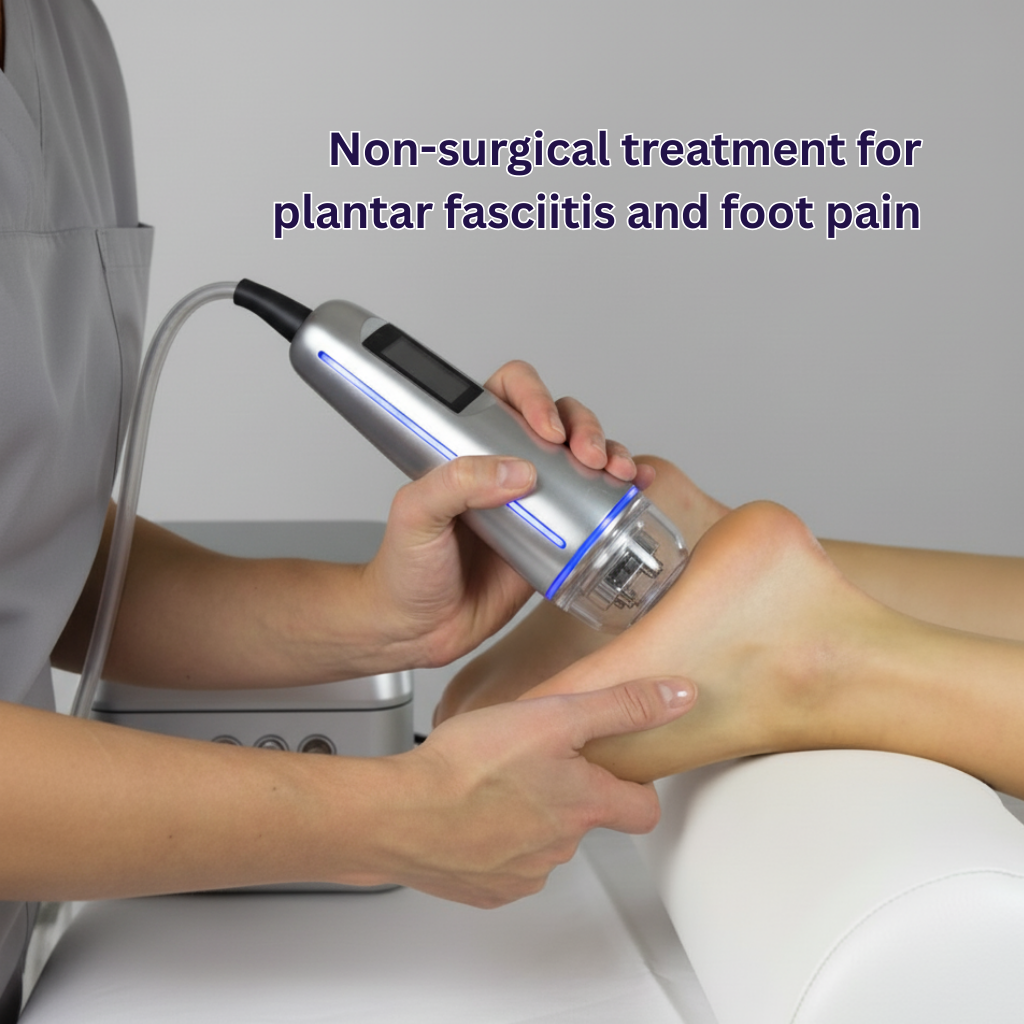
One of the most effective innovative treatments for chronic heel pain is Extracorporeal Shockwave Therapy, often just called shockwave therapy for plantar fasciitis. This non-invasive procedure uses high-energy acoustic waves directed at the painful area of the heel and arch. This targeted energy creates a micro-trauma effect in the tissue, which stimulates a powerful healing response from the body. It increases blood flow, modulates pain signals, and triggers the release of growth factors that are essential for repairing the degenerated fascia.
Many people find that a course of radial shockwave therapy can dramatically reduce pain and improve function, allowing them to engage more effectively in their strengthening exercises. The power of this technology isn't limited to the foot. As one patient at our clinic shared after struggling with shoulder pain, "Shockwave treatment has helped my shoulder pain tremendously! It has allowed to start playing golf again..." Another, dealing with persistent leg pain from an accident, noted, "I was in a car collision and had nonstop knee and leg pain. Shockwave therapy has helped more than anything else..." This demonstrates the therapy's profound ability to treat chronic musculoskeletal pain by addressing the root cause.
Regenerative Medicine: PRP Injections
For stubborn cases, regenerative medicine offers a powerful alternative to surgery for plantar fasciitis. Platelet-Rich Plasma (PRP) therapy is a procedure that uses your body's own healing components. A small amount of your blood is drawn and spun in a centrifuge to concentrate the platelets, which are rich in growth factors. This platelet-rich plasma is then injected directly into the damaged plantar fascia, often using ultrasound guidance for precision. A PRP injection for foot pain can kickstart a robust healing cascade in tissue that has been "stuck" in a degenerative state for months or even years. When considering PRP vs cortisone for plantar fasciitis, the choice is becoming clearer. While a cortisone shot for plantar fasciitis can provide powerful short-term pain relief, it does not heal the tissue and can even lead to further degradation or rupture with repeated use. PRP, on the other hand, is designed to rebuild and repair. The platelet-rich plasma therapy success rate is promising for those who have failed other conservative management strategies.
Other Supporting Therapies
A comprehensive treatment plan may also include other non-invasive foot pain solutions to support your recovery:
- Cold Laser Therapy for Foot Inflammation: Also known as low-level laser therapy for foot pain, this uses specific wavelengths of light to penetrate the tissue, reducing inflammation and pain while improving cellular metabolism to speed healing.
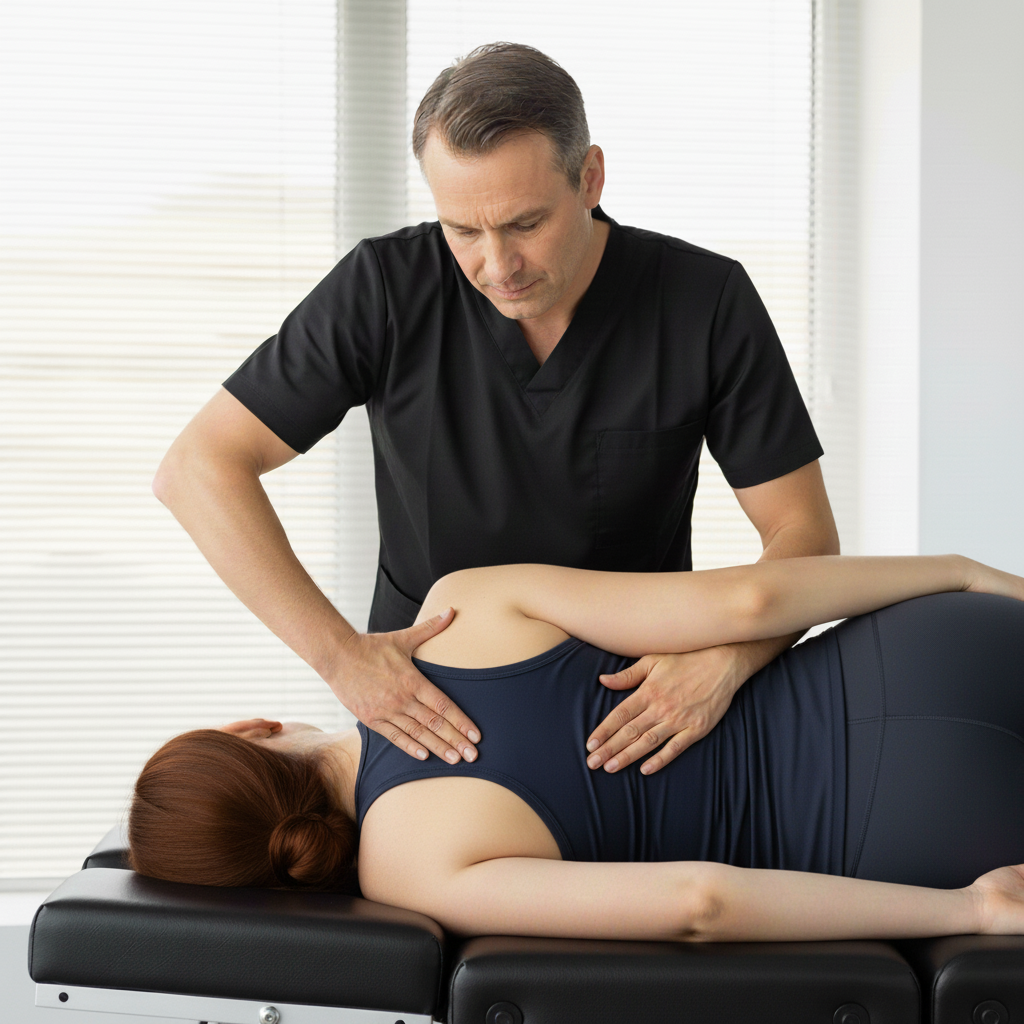
- Manual Therapy: Techniques like the Graston technique for plantar fasciitis, deep tissue massage for plantar fascia, or myofascial release for foot fascia can help break down scar tissue and improve tissue mobility.
- Therapeutic Ultrasound for Heel Pain: This uses sound waves to generate deep heat within the tissue, increasing circulation and promoting relaxation of tight structures.
- Dry Needling for Plantar Fasciitis: This technique involves inserting fine needles into trigger points in the calf and foot muscles to release tension that may be contributing to the strain on the fascia.
Building Your 24/7 'Protective Ecosystem'
Your rehabilitation efforts during the day can be undermined if your feet are not properly supported the rest of the time. Creating a 24/7 "protective ecosystem" is crucial for offloading the damaged tissue and giving it a chance to heal.
Footwear and Orthotics
The foundation of your ecosystem is what you put on your feet. The best shoes for plantar fasciitis sufferers typically have a firm heel counter, good arch support, and cushioning to absorb shock. Walking barefoot, especially on hard surfaces like wood or tile, is generally not recommended during a flare-up as it places maximum stress on the fascia. When you're at home, wear supportive sandals or shoes.
The question of over-the-counter vs custom orthotics is common. High-quality, over-the-counter insoles can be a great starting point and provide sufficient arch support for many. However, for those with significant biomechanical issues (like severe overpronation) or who have not found relief with generic inserts, custom orthotics for heel pain can be a game-changer. A professional can create an orthotic that is molded specifically to your foot, providing precise support to offload the plantar fascia and correct your gait.
Night Splints and Taping
Many people experience the worst pain in the morning because the plantar fascia shortens and tightens overnight. A plantar fasciitis night splint or stretching boot for heel pain keeps the foot in a gentle dorsiflexed position while you sleep. This maintains a light, consistent stretch on the fascia and calf muscles, preventing that morning contraction and significantly reducing the pain of those first few steps. Finding the best sleeping position for plantar fasciitis is easier when the foot is supported in this way.
For daytime support, kinesiology taping for arch support can provide excellent relief. Specific plantar fasciitis taping techniques can be used to lift the arch and offload the fascia, acting like an external ligament. Learning how to tape a foot for plantar fasciitis from a physical therapist or online tutorial can provide immediate, albeit temporary, support during activities.
Making the Right Choice for Your Needs
The path to healing from plantar fasciitis is not one-size-fits-all. The best non-surgical treatment depends on the severity and duration of your condition, your lifestyle, and your willingness to engage in an active program. The nonsurgical treatment for plantar fasciitis can be a long road; it can last from several months to 2 years before symptoms get better, with most people feeling better within 6 to 18 months. Committing to the right approach is key.
The Chronic Sufferer
Profile: You've tried everything for months or years—the icing, the generic stretches, different shoes—but the pain always comes back. You're frustrated and looking for a definitive solution.
Recommended Approach: Your focus must shift from passive pain management to active tissue rebuilding. A formal, guided high-load strengthening program is essential. You are the ideal candidate for advanced therapies like Extracorporeal Shockwave Therapy (ESWT) or a PRP injection to break the cycle of chronic degeneration and stimulate new healing. A full biomechanical evaluation for custom orthotics is also highly recommended.
The Active Individual
Profile: You're a runner, athlete, or someone whose job requires prolonged standing. Your lifestyle contributes to the problem, as plantar fasciitis results mainly from high-impact activities... but it can also occur after prolonged periods of standing. You can't afford long periods of rest and need to know how to prevent plantar fasciitis from returning.
Recommended Approach: Your priority is building resilience. High-load strengthening is non-negotiable to make your fascia capable of handling the demands you place on it. Combine this with a diligent "protective ecosystem"—invest in the best shoes and consider custom orthotics. Load management is critical; work with a professional to modify your training or work habits, not eliminate them. Taping techniques can be invaluable for support during activity.
The Newly Diagnosed Patient
Profile: Your heel pain started recently. You're researching initial options and encountering the standard advice about rest and ice. You want to nip this in the bud and prevent it from becoming a chronic issue.
Recommended Approach: You are in a great position to get ahead of the problem. Start immediately with a home program of high-load strengthening—don't just rely on passive stretching. Implement the "protective ecosystem" right away: get supportive shoes, avoid going barefoot on hard surfaces, and consider a night splint if morning pain is significant. If your pain doesn't improve substantially within 4-6 weeks with this proactive approach, seek professional guidance to escalate care before it becomes a long-term problem.
Ultimately, a successful non-surgical outcome hinges on an accurate diagnosis and a comprehensive treatment plan that addresses the root cause of the tissue breakdown. While more invasive options exist—if other types of treatment don't control pain, surgery may be considered where the plantar fascia is partially cut to release tension—the vast majority of cases can be resolved with a systematic, conservative approach that prioritizes rebuilding the fascia's strength and resilience.
At Pure Relief Pain Solutions Chiropractic in Austin, TX, we specialize in diagnosing the root cause of your heel pain and developing a personalized, multi-faceted treatment plan. We combine foundational rehabilitation with advanced technologies like Shockwave Therapy to break the cycle of chronic pain and help you build a stronger, more resilient foundation. For a comprehensive assessment of your foot pain and to discover a lasting solution, contact our expert team to schedule a consultation today.


Call us today or use our contact form to request an appointment and start getting relief.

