.png)
How to build a complete wellness and recovery plan in Austin with these local resources


True, lasting wellness and recovery in Austin, TX are achieved not by cherry-picking individual services, but by building a personalized support system that integrates three core pillars: clinical treatment, community-based peer support, and foundational resources that ensure whole-person stability. This guide provides a comprehensive roadmap for navigating this interconnected ecosystem of care.
Beyond the Clinic: Why a Single-Point Strategy Often Fails in Recovery
When facing a challenge—be it chronic pain, a mental health crisis, or a substance use disorder—the instinctive first step is to seek a single, professional solution. We look for a therapist, a doctor, or a specific treatment program. While this is a critical first step, it is rarely the complete answer. In our clinical experience at Pure Relief Pain Solutions, we’ve seen countless individuals in Austin make significant progress with a specific therapy, only to find their momentum stalls because the rest of their life isn't structured to support their recovery.
Focusing solely on professional therapy or a 30-day rehab program often leads to relapse or stagnation because it treats the symptom without reinforcing the environment. True recovery is not an isolated event; it's a profound shift in lifestyle, community, and daily stability. Social and economic factors like secure housing, consistent access to food, and meaningful employment are not secondary concerns—they are the critical pillars upon which lasting wellness is built. Without this foundation, the best clinical care in the world can be undermined by the stress and instability of daily life.
This is why we advocate for viewing wellness and recovery through a wider lens. It’s about building an ecosystem of care around you—a network of support that addresses your clinical needs, connects you with a community of peers, and secures your foundational stability right here in Austin. This approach moves beyond temporary fixes and fosters genuine, sustainable health.
Mapping Austin's Three Pillars of Wellness: Your Local Ecosystem of Care
Navigating the vast landscape of health and wellness resources in Austin can feel overwhelming. To simplify the process, we can categorize the most effective resources into three distinct but interconnected pillars. A successful, long-term recovery plan strategically identifies and integrates services from each of these sectors.
Pillar 1: Clinical and Professional Services
This pillar represents the formal, evidence-based treatment provided by licensed professionals. It's the essential starting point for addressing acute symptoms, receiving a proper diagnosis, and creating a structured treatment plan. The options in the Austin, TX area are robust, but knowing where to start is key.
- Comprehensive Mental and Behavioral Health: For many in Travis County, the starting point for mental health support is Integral Care. Their services are a cornerstone of our community, providing everything from a 24-hour crisis hotline to ongoing counseling and psychiatric care. If you're wondering, "what is the Austin crisis hotline number?" the Integral Care number to call is 512-472-HELP (4357). They offer a range of services, including emergency psychiatric services and support for those facing a crisis. For those with financial concerns, many Austin mental health care providers offer a sliding scale, and non-profit counseling services Austin like Waterloo Counseling Center provide affordable, LGBTQ+ affirming therapists and care.
- Specialized Therapies and Treatments: Austin is home to a wide array of specialists. You can find experts in Cognitive Behavioral Therapy (CBT), Dialectical Behavior Therapy (DBT), and trauma therapy specialists. For substance use, options range from Austin drug detox centers and outpatient recovery programs to more intensive addiction treatment centers. Finding help for a specific need, such as Austin eating disorder treatment or postpartum depression support, is possible through dedicated local clinics.
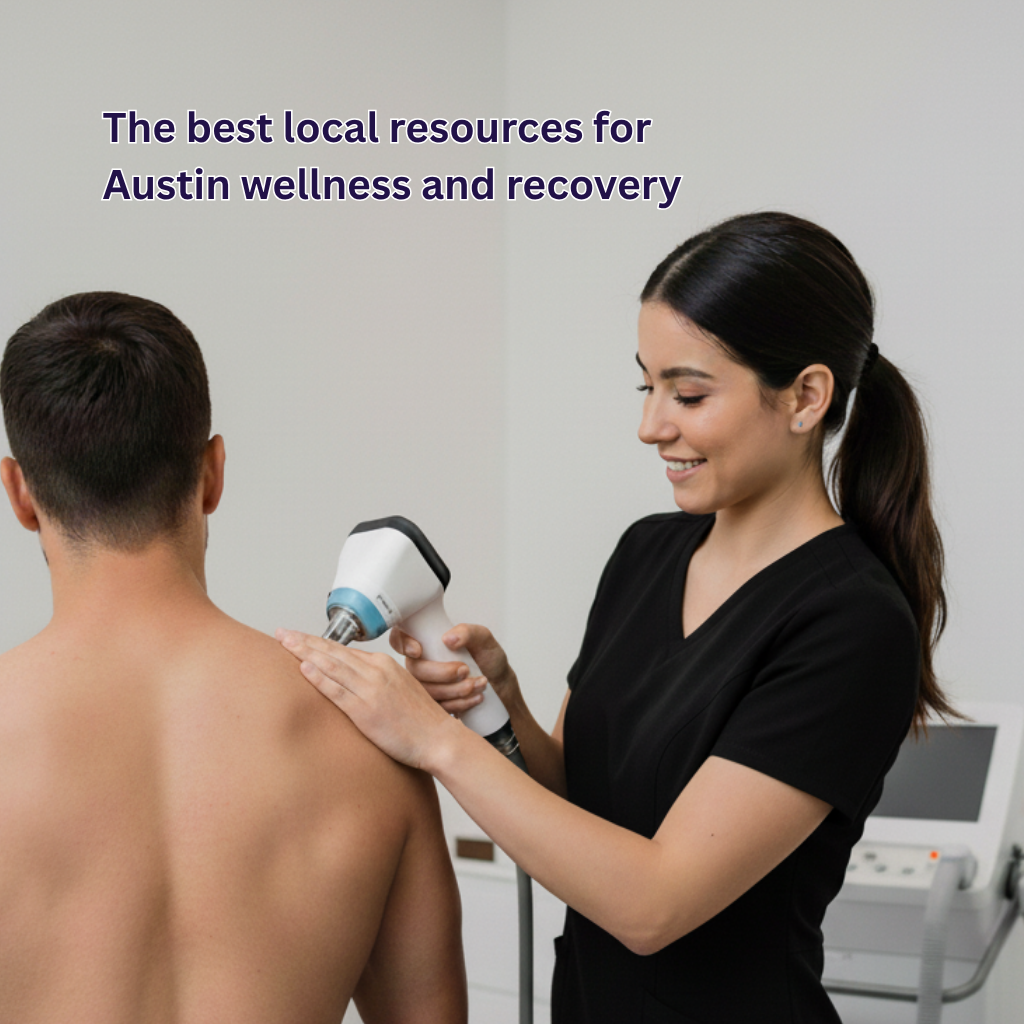
- Medical and Physical Foundation: This is where we at Pure Relief Pain Solutions contribute to the ecosystem. Chronic pain is a massive, often overlooked, barrier to mental wellness and recovery. It drains your energy, limits your ability to participate in community activities, and can exacerbate depression and anxiety. For individuals recovering from injuries, pain can be a constant trigger. This is why addressing the physical component is non-negotiable. We focus on non-surgical, advanced technology like Shockwave Therapy to address the root cause of pain. One of our patients, who was struggling after a significant life event, shared, "I was in a car collision and had nonstop knee and leg pain. Shockwave therapy has helped more than anything else..." Restoring physical function is a vital part of building the capacity for broader recovery work.
- Answering a Key Question: What are three local mental health resources?
- Integral Care: As the local mental health and intellectual and developmental disabilities authority for Travis County, they are the most comprehensive public provider, offering a 24/7 crisis hotline, walk-in mental health clinic services, and ongoing care.
- NAMI Central Texas: The local chapter of the National Alliance on Mental Illness is an invaluable resource for free support groups, educational classes, and advocacy for individuals and families affected by mental illness.
- Waterloo Counseling Center: A highly respected non-profit counseling service in Austin providing affordable individual, couples, and group therapy, with a long-standing commitment to serving the LGBTQ+ community.
Pillar 2: Community and Peer-Based Support
The second pillar is about connection. Clinical treatment can feel isolating, but recovery thrives in the community. Peer support provides hope, shared experience, and practical guidance from people who truly understand the journey. However, it's important to understand the different forms of community support available in Austin to find the right fit.
The 'Community' Misconception: Finding Your Tribe
Many people hear "community support" and immediately think of a single type of group, but the options are far more diverse.
- Structured Peer Support & 12-Step Programs: These are formal, often curriculum-based groups. Think of Austin Alcoholics Anonymous meetings or Narcotics Anonymous meetings Austin, which provide a clear structure and fellowship. Groups run by organizations like NAMI Central Texas or local community recovery centers also fall into this category. The value here is consistency and a shared, focused purpose. Research has consistently shown the power of these connections; a literature review demonstrated that peer support groups in addiction treatment led to benefits including reduced substance use and increased treatment engagement according to a review of studies.
- Informal Wellness Communities: This is where Austin's unique culture shines. Recovery doesn't have to be confined to a meeting room. It can be found in a running club that meets at Zilker Park, a sunrise paddleboarding group on Lady Bird Lake, or a creative writing workshop in a South Austin coffee shop. These groups provide connection and a healthy outlet without the explicit label of "recovery." Finding sober hangouts in Austin can be challenging in a city known for its nightlife—especially the infamous stretch of 6th Street often called "Dirty 6"—but communities built around fitness, art, and volunteering offer powerful alternatives.
- Peer Specialists and Coaching: A growing and vital resource is the role of certified peer support specialists. These are individuals with lived experience in recovery who are trained to guide and support others. Peer recovery support services are instrumental in promoting long-term recovery by focusing on building the 'recovery capital'—the internal and external resources necessary to sustain recovery—of individuals as noted in a study on the subject. These recovery advocates in Austin can help bridge the gap between clinical treatment and daily life.
Pillar 3: Foundational and Stability Resources
The third pillar is the bedrock upon which the other two are built. Without stability in the core areas of life, it is nearly impossible to focus on clinical treatment or community engagement. This is about addressing the whole person and their environment.
- Housing and Food Security: You cannot focus on your mental health if you are worried about where you will sleep tonight. Organizations in Austin work to provide assistance with housing, and resources like the Central Texas Food Bank are critical. Sober living homes in Austin provide a crucial transitional step for many in early recovery, offering a structured and supportive environment.
- Employment and Education: Meaningful work or education provides purpose, structure, and financial stability. Non-profits like Goodwill Central Texas offer job training and placement services. For younger individuals, an organization like Breakthrough Central Texas can provide the long-term educational support that builds a foundation for a successful future.
- Healthcare Access: For those without insurance, navigating the healthcare system is a major source of stress. The Central Health MAP program is an essential Travis County resource that helps eligible residents get access to a network of care, including many of the mental health services provided in Austin. Knowing how to get mental health help in Austin without insurance often starts with an application to this program.
- City Services and Local Knowledge: Being grounded in your city means understanding all its resources. Someone might ask, "What services does Austin Resource Recovery offer?" On the surface, it’s the city department that handles recycling, trash, and composting. But metaphorically, it speaks to a city that provides foundational services for a clean and stable environment. True local knowledge means knowing everything from the phone number for the crisis hotline to how the city itself functions to support its residents' basic needs.
A Practical Roadmap: Building Your Personalized Recovery Plan in Austin
Understanding the three pillars is the first step. The next is to build a personalized plan by sequencing and layering these resources. A common mistake is trying to do everything at once. A more effective approach is to build from a point of stability.
Step 1: Address the Immediate Crisis. If you are in acute distress, your only priority is immediate safety and stabilization. This means contacting a 24-hour crisis hotline in Austin Texas (512-472-HELP) or going to a walk-in mental health clinic. This is not the time to build a long-term plan; it's the time to get immediate, professional help.
Step 2: Establish a Clinical Baseline. Once the immediate crisis has passed, the next step is to engage with clinical services. This could involve getting a free drug and alcohol assessment, finding a therapist, or seeing a psychiatrist for medication management services. This phase is about diagnosis, creating a treatment plan, and understanding the professional support you will need. This is also where addressing physical barriers, like debilitating pain, becomes crucial. Engaging with a provider like Pure Relief Pain Solutions to manage physical pain can free up the mental and emotional resources needed for deeper therapeutic work.
Step 3: Layer in Community Support. With a clinical plan in place, you can begin to build your community. Start slow. Try one support group or one new activity. See what feels right. This is not about adding more appointments to your calendar; it's about finding genuine connection and a sense of belonging. As your clinical treatment progresses, your reliance on community support may grow, providing a sustainable, long-term network.
Step 4: Solidify Your Foundational Resources. Throughout this process, continually assess your foundational stability. Are you securely housed? Are you financially stable? Do you have consistent access to healthcare? Work with case managers, peer specialists, or local non-profits to strengthen these areas. A stable foundation makes you more resilient and better able to handle the ups and downs of recovery.
A Tale of Two Austins: The Spectrum of Wellness
Austin is a city of contrasts, and this is reflected in its wellness landscape. On one end, you have questions like, "Where do millionaires hang out in Austin?" The answer often points to exclusive, high-end Austin wellness retreat centers, luxurious spas near Lake Travis, or private fitness clubs where a holistic wellness experience comes with a premium price tag. These places offer incredible services, but they are not accessible to everyone.
On the other end of the spectrum, you have a wealth of free resources: free mental health services provided by non-profits, free wellness classes offered at public libraries or parks, and numerous free recovery groups meeting in church basements and community centers across the 512 area code. The beauty of the "ecosystem of care" model is that it allows you to draw from all parts of this spectrum as needed. You can combine professional, paid therapy with free, community-based support to create a comprehensive plan that is both effective and financially sustainable.
Comparing Approaches to Wellness and Recovery in Austin
When seeking help, you're faced with a choice in approach. Here’s a breakdown of how different strategies stack up against the key factors that determine long-term success.
Fragmented, Single-Service Providers
Description: This is the traditional model where you see one specialist for one problem—a therapist for anxiety, a chiropractor for back pain, a nutritionist for diet—with little to no communication between them.
- Integration of Services: Low. The patient is responsible for coordinating all care, which can be overwhelming and lead to conflicting advice.
- Focus on Long-Term Stability: Low. The focus is typically on alleviating the immediate symptom, not on building the environmental and social supports needed for lasting change.
- Availability of Community Support: None. This model does not inherently include a community or peer component.
- Approach to 'Whole-Person' Health: Poor. It treats the body and mind as separate systems, failing to address how they are interconnected. This is particularly dangerous for individuals with serious mental illness, who are vulnerable to chronic medical diseases and a substantially decreased life expectancy, which highlights the need for integrated care according to health researchers.
An Interconnected 'Ecosystem of Care'
Description: The approach outlined in this guide. It involves strategically selecting and combining services from the clinical, community, and foundational pillars to create a personalized, comprehensive support network.
- Integration of Services: High. The individual, often with the help of a coach or therapist, actively builds bridges between different forms of support.
- Focus on Long-Term Stability: High. This model’s core thesis is that long-term stability is the goal, and clinical treatment is just one tool to achieve it.
- Availability of Community Support: High. Community and peer support are treated as an essential, non-negotiable pillar of the recovery plan.
- Approach to 'Whole-Person' Health: Excellent. It explicitly addresses mental, physical, social, and economic health as interconnected parts of a single system.
Holistic, Long-Term Wellness (The Ideal Outcome)
Description: This is the end-state goal of building an ecosystem of care. It's a state where an individual is not just "not sick" but is actively thriving, resilient, and engaged with their life and community.
- Integration of Services: Seamless. The support network is so well-established that it functions as a natural part of the person's life.
- Focus on Long-Term Stability: Total. The focus shifts from recovery to maintenance and growth.
- Availability of Community Support: Innate. The person is an active member of multiple supportive communities.
- Approach to 'Whole-Person' Health: Complete. Physical health, like being pain-free, enables fuller participation in life. As one of our clients who regained his favorite hobby noted, "Shockwave treatment has helped my shoulder pain tremendously! It has allowed me to start playing golf again..." This is what holistic wellness looks like—when all parts of your life work in harmony.
Making the Right Choice for Your Needs
There is no single "best" path for everyone. The right approach depends entirely on your current situation, needs, and goals. Here is some tailored advice for different individuals we often see in our Austin community.
For the recently injured individual seeking immediate clinical pain relief (e.g., from an auto or sports injury):
Your primary focus should be on the clinical pillar. You need an accurate diagnosis and an effective treatment plan to address the acute physical injury and manage pain. A fragmented approach might be sufficient initially—seeing a specialist like us at Pure Relief Pain Solutions for targeted, advanced therapies is the correct first step. However, be mindful of how the injury impacts your mental health and ability to connect with your community. If you find yourself becoming isolated or depressed due to your physical limitations, it's time to start layering in support from the other pillars.
For the chronic pain sufferer looking for a holistic, long-term solution after trying various isolated treatments:
You have likely already experienced the shortcomings of the fragmented, single-service model. Your journey requires a deliberate shift to building an ecosystem of care. While continuing with effective clinical treatments for the physical pain is essential, your next step is to actively build your community and foundational support. This could mean joining a gentle yoga class, finding a support group for people with chronic pain, or working with a therapist who specializes in the mind-body connection. Your goal is to stop treating the pain as just a physical symptom and start addressing the whole-person impact it has had on your life.
For the individual in recovery (e.g., from substance use) who requires a comprehensive support system to maintain stability:
For you, the interconnected ecosystem of care is not just a good idea—it is absolutely essential. Your plan must be robust across all three pillars. Your clinical support (therapy, medication management) provides the structure. Your community support (12-step programs, peer specialists, sober social groups) provides daily reinforcement and connection. And your foundational stability (secure housing, steady employment, healthcare access) provides the safety net that makes it all possible. Your primary task is to be the architect of this system, constantly evaluating which areas need more support and actively seeking out the Austin resources to fill those gaps.
Ultimately, navigating the path to wellness and recovery in Austin requires a strategic, holistic perspective. By moving beyond isolated treatments and thoughtfully building an integrated ecosystem of clinical, community, and foundational support, you create a resilient framework for lasting health. For those whose journey is hindered by physical pain, addressing that barrier is a powerful first step. We welcome you to contact our team for a personalized assessment to see how our non-surgical solutions can become a cornerstone of your complete wellness plan.

Call us today or use our contact form to request an appointment and start getting relief.

