.png)
Why Austin triathletes hit performance plateaus and how a sports chiropractor can help


For the competitive Austin triathlete who has already dialed in their nutrition, sleep, and rest, a sports chiropractor addresses the often-overlooked "fifth element" of recovery: optimizing biomechanics. This specialized care ensures the body can absorb the full benefits of training and recovery protocols, breaking through plateaus and preventing chronic injury.
Moving beyond the ‘big four’ of recovery: Why Austin triathletes hit performance walls
As a dedicated triathlete in Austin, TX, you live and breathe the grind. Your early mornings start before the sun hits the water at Quarry Lake, your weekends are spent logging miles on the rolling hills west of the city, and your nutrition is a calculated science. You’ve mastered the "big four" pillars of athletic performance: hydration to beat the Texas heat, precise nutrition for fuel, disciplined sleep for cellular repair, and strategic rest days. Yet, you may find yourself stuck. Your swim splits aren't dropping, your power output on the bike has stagnated, and that final 10K of the run feels more like a battle for survival than a race to the finish line.
This is a frustratingly common scenario. When an athlete has optimized all the conventional variables, the bottleneck is almost never a lack of effort. Instead, it's often a structural or functional limitation within the body itself—a problem that no amount of sleep or kale smoothies can fix on its own. This is the wall where sheer grit is no longer enough and a smarter, more targeted approach to the body's framework is required.
The kinetic chain bottleneck: Your body's hidden 'recovery debt'
Think of your body as a high-performance kinetic chain. Every muscle, joint, and nerve works in a sequence to produce movement. For a triathlete, this chain is under incredible, repetitive stress. The swim stroke, the cycling pedal, the running stride—each action is repeated thousands of times during a single training session around Lady Bird Lake or through the neighborhoods of South Austin.
Over time, these repetitive motions can lead to subtle but significant biomechanical shifts. A slight pelvic tilt from hours in the saddle, a minor spinal rotation to compensate for a weaker side in the water, or an ankle joint that doesn't move quite right after a long run—these are the sources of a hidden "recovery debt." Your body begins to compensate, forcing other muscles and joints to work harder. This leads to inefficient movement, wasted energy, and a system that can't fully recover, no matter how much you rest. Basic strategies like stretching and foam rolling can provide temporary relief, but they don't address the root cause of the underlying structural imbalance.
From power output to injury prevention: A tri-specific breakdown
A chiropractor specializing in endurance sports in Austin understands the unique demands each triathlon discipline places on the body. The goal of sports chiropractic care isn't just about managing pain; it's about restoring proper function to the musculoskeletal system to prevent injury and unlock new levels of performance.
Swimming: Addressing swimmer's shoulder and improving your stroke
The powerful, overhead motion of the freestyle stroke requires incredible mobility in the thoracic spine (mid-back) and stability in the shoulder girdle. If your thoracic spine is stiff—a common issue for people who spend time at a desk or hunched over a bike—your shoulder joint is forced to take on extra strain. This is a primary cause of swimmer's shoulder. A sports chiropractor can use targeted adjustments to improve thoracic mobility, which immediately reduces stress on the shoulder. This not only provides swimmer's shoulder treatment but can lead to a longer, more efficient stroke, as your body can rotate more freely in the water. For many athletes, this is a game-changer for enhancing athletic function with chiropractic.
Cycling: Eliminating lower back pain and optimizing power
The aggressive, aerodynamic position on a triathlon bike is notorious for causing lower back pain. Holding this static, forward-flexed posture for hours can lead to tight hip flexors and a misaligned pelvis, placing enormous strain on the lumbar spine. We frequently provide lower back pain from cycling chiropractor lower back pain from cycling chiropractor Austin to athletes who thought it was just a part of the sport. Through specific adjustments and soft tissue therapy like Active Release Technique (ART), we can correct pelvic imbalances and restore proper nerve function, leading to a more comfortable and powerful ride. Optimizing cycling posture with a chiropractor ensures that the power you generate from your legs is transferred efficiently through your core and to the pedals, not lost to structural inefficiency.
Running: Solving IT band syndrome, shin splints, and plantar fasciitis
Running is a high-impact activity where any misalignment is magnified with every foot strike on the pavement of the Ann and Roy Butler Hike-and-Bike Trail. Issues like IT band syndrome, shin splints, or plantar fasciitis are rarely just localized problems. They are often symptoms of a breakdown somewhere else in the kinetic chain, such as poor hip stability or improper foot mechanics. A sports chiropractor in Austin, TX will perform a functional movement screening for athletes to identify these root causes. By correcting running gait and addressing the source of the imbalance, we can provide lasting IT band syndrome relief for triathletes and help prevent these common overuse injuries from derailing your training.
"I was in a car collision and had nonstop knee and leg pain. Shockwave therapy has helped more than anything else..."
This client's experience highlights how advanced therapies can resolve stubborn pain that interferes with activities like running, restoring function where other methods have failed.
The multiplier effect: Making your existing recovery efforts work harder
One of the most powerful aspects of sports chiropractic care is that it doesn't replace your existing recovery protocols—it multiplies their effectiveness. Think of it this way: if your body's framework is out of alignment, it's in a constant state of low-grade stress. This neurological and structural stress can inhibit deep sleep, impair nutrient delivery to damaged tissues, and make your muscles resistant to stretching and massage.
By restoring proper spinal alignment and nerve function, chiropractic adjustments help shift your body from a "fight-or-flight" state to a "rest-and-digest" state. This creates the optimal physiological environment for recovery. Suddenly, the sleep you get is more restorative, the nutrients you consume are utilized more effectively, and your sessions with a foam roller or sports massage therapist can create more profound and lasting change. For triathletes, chiropractic care can lead to improved body balance, enhanced performance, and quicker recovery time according to research on the topic. It's the foundation that makes every other piece of your recovery puzzle fit better.
A modern approach: What to expect from a sports chiropractor in Austin
There's a significant difference between a general chiropractor and a certified sports chiropractor. While both are doctors of chiropractic, a sports chiropractor has advanced training in diagnosing and treating athletic injuries and understanding the biomechanics of specific sports. At Pure Relief Pain Solutions Chiropractic, an initial appointment involves more than just an adjustment.
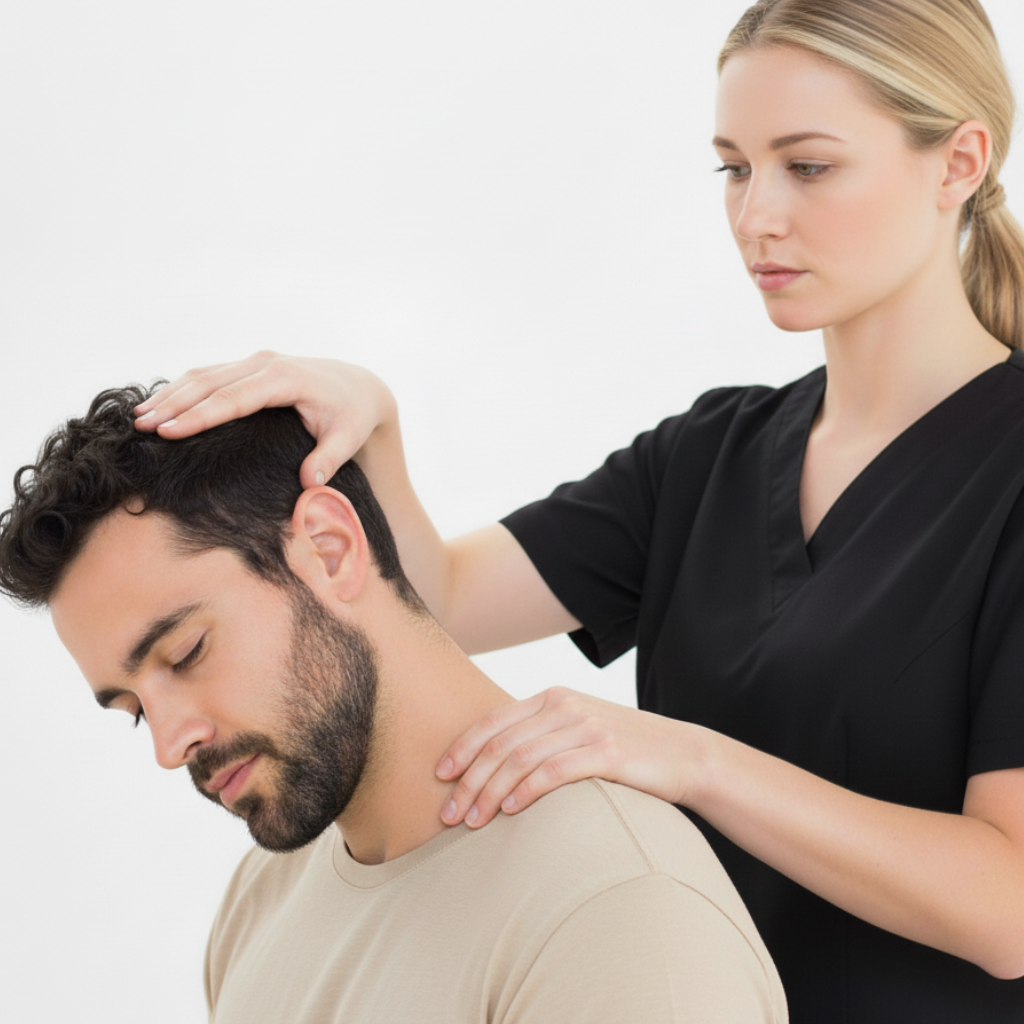
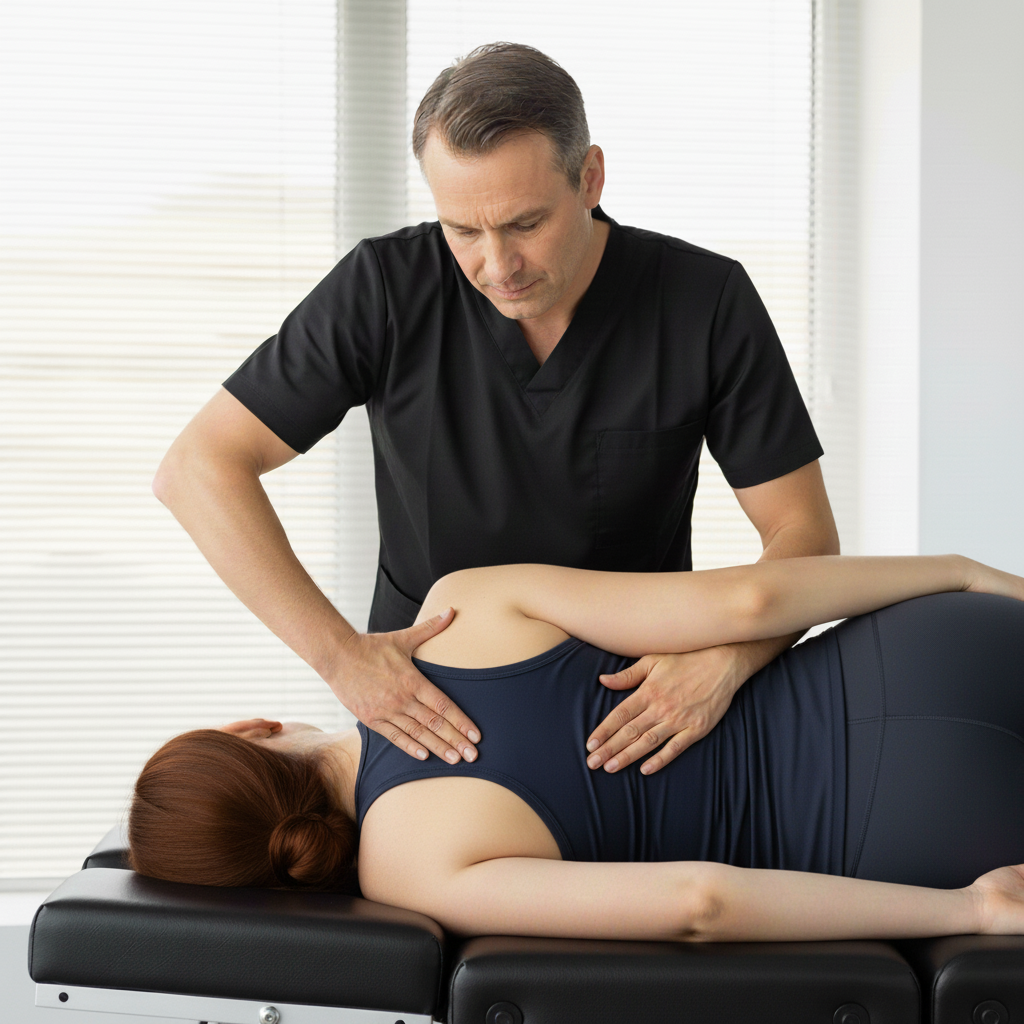
We start with a comprehensive evaluation, including a detailed history of your training and injuries, as well as a functional movement screening to identify asymmetries and weaknesses. Our care plans often integrate multiple therapies for a holistic approach. This might include chiropractic adjustments to restore joint mobility, soft tissue therapies like Graston Technique or Active Release Technique (ART) to break down scar tissue, and functional rehabilitation exercises to strengthen weak areas and correct movement patterns. We also utilize advanced technologies like Shockwave Therapy to accelerate healing in chronic tendon injuries.
"Shockwave treatment has helped my shoulder pain tremendously! It has allowed me to start playing golf again..."
While this client is a golfer, the principle is the same for a triathlete's swimmer's shoulder—this technology targets stubborn soft tissue injuries and promotes healing, getting you back to your sport pain-free.
Key factors for the competitive Austin athlete

When deciding whether to integrate sports chiropractic into your routine, it helps to weigh the pros and cons of relying solely on traditional methods versus adding biomechanical optimization.
Breaking Through Performance Plateaus
Traditional Recovery Methods: Pros: Essential for basic health and recovery. Cons: May not address the underlying structural limitations that cause performance to stall. You can only sleep or eat so well before hitting a ceiling defined by your body's mechanical efficiency.
Sports Chiropractic: Pros: Directly targets and corrects the biomechanical inefficiencies that create performance ceilings, improving power transfer and movement economy. Cons: Requires a time and financial investment beyond standard training costs.
Proactive Injury Prevention vs. Reactive Treatment
Traditional Recovery Methods: Pros: Rest and proper nutrition help the body repair itself after damage has occurred. Cons: Largely reactive. You rest an injury *after* it happens, often losing valuable training time.
Sports Chiropractic: Pros: Proactively identifies and corrects the imbalances that *lead* to injury, reducing downtime and creating a more resilient athlete. It focuses on triathlete injury prevention in Austin before the pain starts. Cons: Benefits are preventative and cumulative, which can be harder to quantify day-to-day than immediate pain relief.
Improving Movement Efficiency and Range of Motion
Traditional Recovery Methods: Pros: Stretching and mobility work can provide temporary improvements in flexibility. Cons: Without addressing underlying joint restrictions, flexibility gains are often short-lived and don't translate to improved functional range of motion.
Sports Chiropractic: Pros: Adjustments directly restore joint mobility, allowing for immediate and lasting improvements in range of motion. Recent studies have shown athletes who undergo chiropractic care may experience improved range of motion, increased strength and improved acuity of the nervous system as reported in Triathlete Magazine. Cons: Requires a qualified professional; not something that can be done on your own.
Answering your questions about chiropractic care for athletes
It's natural to have questions when considering a new addition to your performance and recovery toolkit. Here are a few common ones we hear from athletes in Austin.
Should athletes get chiropractic adjustments?
For athletes, the answer is a resounding yes. High-level athletes constantly push their bodies to the limit, creating stress on the musculoskeletal and nervous systems. Many elite athletes, including notables like Tiger Woods and countless Olympians, rely on regular chiropractic care to maintain their bodies, prevent injuries, and perform at their peak. For an endurance athlete, where small efficiencies add up over hours of racing, maintaining optimal alignment is a significant competitive advantage.
Why do some doctors discourage chiropractors?
Historically, there was a philosophical divide between allopathic medicine (MDs) and chiropractic (DCs). However, this gap is rapidly closing as more research emerges and the model shifts toward integrative care. A growing body of evidence supports the efficacy of chiropractic for musculoskeletal issues; a recent review of over a thousand case reports highlighted an increasing trend of chiropractic care with a neuromusculoskeletal-focus published in the National Library of Medicine. Today, many forward-thinking sports medicine doctors, physical therapists, and chiropractors in Austin collaborate to provide comprehensive care for athletes.
What are the red flags when choosing a chiropractor?
A red flag in any healthcare setting is a promise of a "cure-all" or pressure to sign up for a lengthy, rigid treatment plan upfront. A professional sports chiropractor will conduct a thorough assessment, set clear functional goals, and regularly re-evaluate your progress. Be wary of anyone who discourages collaboration with other healthcare providers or claims to treat conditions outside the musculoskeletal realm. Look for a chiropractor specializing in endurance sports Austin who is transparent and focused on your specific athletic goals.
Making the right choice for your needs
Ultimately, the decision to see a sports chiropractor depends on your individual goals and challenges as a triathlete. Here's how to think about it based on your profile:
- The Plateaued Competitor: If your race times have stalled despite disciplined training, you are the ideal candidate. You've already maximized the "big four" and are likely being held back by a biomechanical bottleneck. Sports chiropractic offers a new variable to optimize—movement efficiency—that can be the key to unlocking that next level of performance.
- The Injury-Prone Athlete: If you're constantly dealing with recurring issues like IT band pain, shin splints, or shoulder tweaks, it's a strong signal that there's an underlying imbalance. Instead of just treating the symptoms, a sports chiropractor can identify and correct the root structural cause, helping you build a more durable, resilient body for the demands of triathlon training in Austin.
- The Proactive Maximizer: If you are a data-driven athlete focused on optimizing every aspect of your performance, from aerodynamics to nutrition timing, then you should view biomechanical alignment as a crucial proactive measure. Regular chiropractic care ensures your body's "chassis" is perfectly tuned, preventing energy leaks and maximizing the return on every ounce of your training effort.
At Pure Relief Pain Solutions Chiropractic, we specialize in helping Austin's endurance athletes overcome these exact challenges. Our approach is solutions-focused, combining expert chiropractic care with advanced therapies to address the root cause of your performance barriers. We are committed to providing the non-invasive, musculoskeletal care that helps you train harder, recover faster, and compete at your best. To understand how your specific biomechanics may be impacting your performance, we invite you to schedule a comprehensive evaluation with our team today.

Call us today or use our contact form to request an appointment and start getting relief.

