.png)
Why your nervous system is more like software you can upgrade than hardware you're stuck with


Your nervous system is the intricate, high-speed communication network that governs everything you do, feel, and think. Instead of viewing it as a fixed, unchangeable set of biological wires, a more accurate and empowering perspective is to see it as your body's dynamic operating system—one that can be fine-tuned, updated, and optimized through conscious choices about stress, nutrition, and physical care to achieve peak performance and lasting relief from pain.
Rethinking Your Body's Master Control: Fixed Circuit or Dynamic Operating System?
For decades, the common understanding of the nervous system was that of a static, hardwired circuit. You were born with it, and aside from injury or disease, it was what it was. This perspective, while simple, is profoundly limiting. It suggests a passive role in our own health. Today, we understand this view is outdated. A more functional and scientifically supported model is to think of the nervous system as a dynamic operating system, constantly adapting to the data you feed it.
Let's compare these two perspectives to understand why this shift in thinking is critical for anyone seeking not just to manage symptoms, but to achieve true wellness.
The 'Fixed Biological Circuit' View (The Old Model)
This traditional view looks at the brain, spinal cord, and peripheral nerves as a finished product. It's the physical wiring that connects Point A to Point B. In this model, problems like chronic pain or dysfunction are often seen as a "short" in the circuit—a permanent glitch to be managed, often with medication that simply masks the signal.
- Pros: It provides a simple, mechanical framework for understanding basic anatomy, like how a reflex arc pathway simply works. It's an easy concept to grasp for explaining acute injuries.
- Cons: This model fails to account for the brain's incredible adaptability (neuroplasticity). It can foster a sense of helplessness, suggesting that conditions are permanent and can only be managed, not improved. It overlooks the profound impact of lifestyle factors on nervous system function and doesn't empower individuals to believe their condition can be improved through active intervention.
The 'Dynamic Operating System' View (The New Reality)
This modern perspective sees the nervous system as an adaptive, intelligent system that is constantly learning and rewriting its own code based on your experiences, thoughts, and physical inputs. The structure of a neuron diagram shows the physical parts, but this view focuses on their functional potential. Pain isn't just a "short," it's a software program that can be uninstalled. Performance isn't just about hardware, but about running the most efficient code.
- Pros: This view empowers you. It aligns with the desire for non-surgical, holistic treatments that address root causes. It recognizes that you can actively "re-tune" and optimize your body's functions for both pain relief and enhanced performance, building trust in a provider's ability to facilitate this process. It explains why practices like chiropractic care, mindfulness, and targeted nutrition are so effective.
- Cons: It requires active participation and responsibility. You are no longer a passive recipient of care but an active participant in your wellness journey, which requires commitment to change.
The 'Control Panel' You Can Actually Influence
Perhaps the most accessible part of your nervous system's operating system is the Autonomic Nervous System (ANS). This is the 'background software' that runs your involuntary functions: heart rate, digestion, breathing, and stress responses. The ANS is split into two primary, opposing branches: the sympathetic and parasympathetic systems. True health lies in their balance.
From 'Fight-or-Flight' to 'Rest-and-Digest'
The sympathetic nervous system is your gas pedal. It triggers the famous "fight or flight response mechanism." When faced with a perceived threat—be it a looming deadline, a traffic jam, or a physical danger—this system takes over. The autonomic nervous system is associated with the 'fight-or-flight response,' preparing the body to react to a threat by increasing heart rate, dilating pupils, and activating sweat glands according to experts. This response is designed for short-term survival.
The parasympathetic nervous system is your brake pedal. It governs the 'rest-and-digest' state, where your body can heal, repair tissue, absorb nutrients, and restore energy. The sympathetic and parasympathetic nervous systems operate in tandem to maintain the body’s homeostasis, a state of equilibrium where bodily functions are kept at optimal levels as documented in physiology studies. The problem is, modern life keeps the gas pedal floored. Chronic stress leads to a state of sympathetic dominance, where we are constantly primed for a threat that never comes. This is one of the clearest signs of poor nervous system health.
So, how to communicate with your nervous system to deliberately apply the brakes? You can use specific exercises for nervous system regulation:
- Diaphragmatic Breathing: Slow, deep belly breaths directly stimulate the vagus nerve, a key component of the parasympathetic system. Inhaling for a count of four and exhaling for a count of six or eight can manually shift you out of a stressed state.
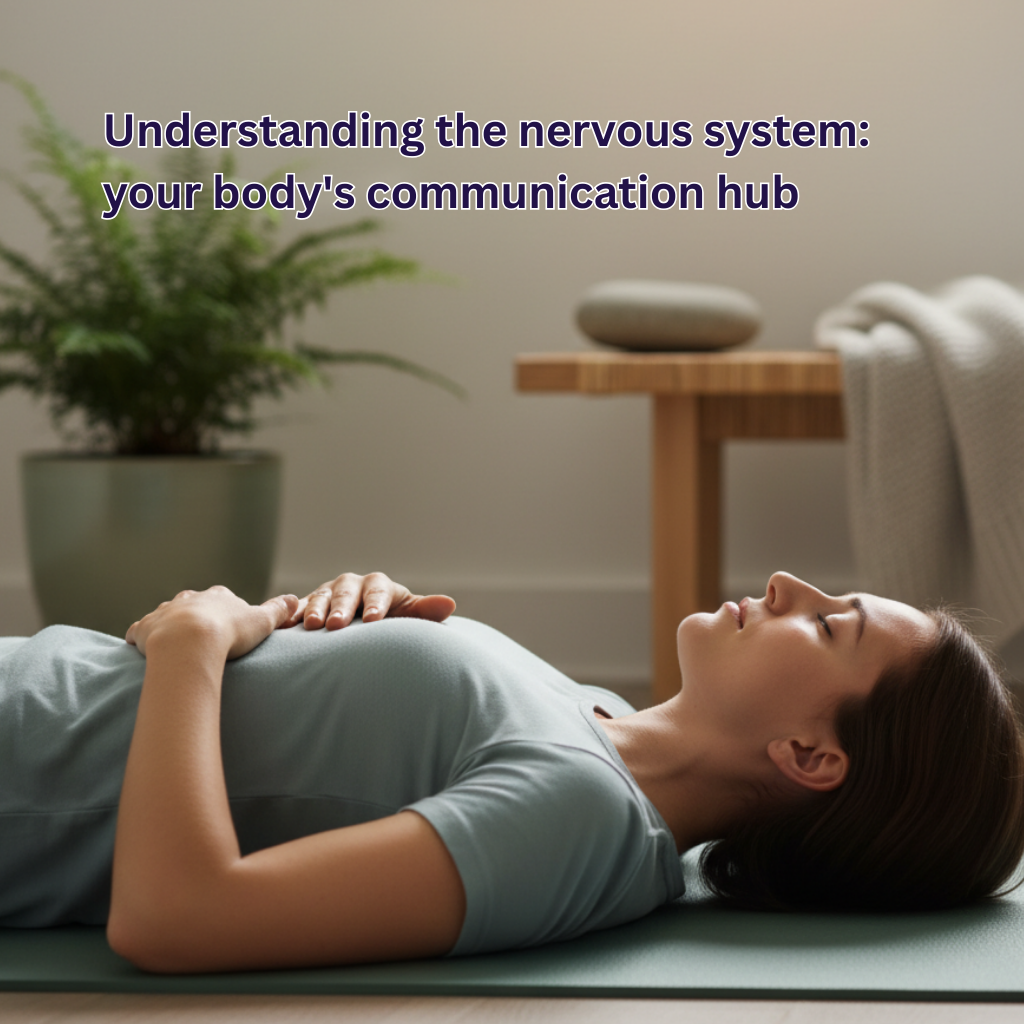
- Mindful Body Scans: Lying down and focusing your attention sequentially on different parts of the body, from toes to head, without judgment. This practice disconnects the frantic thought loops of the sympathetic response and grounds you in the present moment's sensory input.
- Cold Exposure: A brief blast of cold water at the end of a shower can act as a "hormetic" stressor, training your ANS to recover more efficiently and strengthening its regulatory tone over time.
Your Brain Isn't Fixed Hardware: Using Neuroplasticity to Install 'Software Updates'
The idea that the brain was unchangeable after childhood is one of the biggest myths in neuroscience. We now know the brain possesses a remarkable quality called neuroplasticity. This is the nervous system's ability to reorganize its structure, functions, and connections in response to experience. Every time you learn a new skill, form a new memory, or break a bad habit, you are physically changing your brain.
This is how learning changes the brain. When neurons fire together, they wire together. Repetitive actions and thoughts strengthen specific neural pathways, making them more efficient and automatic. This is fantastic for learning to play the piano, but it's also how chronic pain pathways become entrenched. The brain "learns" to be in pain.
The good news is that we can leverage neuroplasticity and the nervous system to install "software updates":
- Targeted Rehabilitation: After an injury, specific movements and exercises don't just strengthen muscles; they retrain the communication between the central nervous system (CNS) and peripheral nervous system (PNS). The CNS, comprising the brain and spinal cord, and the PNS, which includes all other nerves, acting in concert, integrate sensory information and control motor and cognitive functions as established by neuroscience principles. This retrains motor control and can help the brain "unlearn" compensatory patterns that cause further issues.
- Mindfulness and Meditation: These practices have been shown to increase gray matter in areas of the brain associated with emotional regulation and decrease activity in the amygdala, the brain's fear center. This is a direct "software patch" for managing the impact of stress on the nervous system.
- Breaking Habit Loops: Habits are efficient neural pathways driven by cues, routines, and rewards (often involving dopamine and serotonin functions). By consciously identifying the cue and substituting a new, healthier routine, you can weaken the old pathway and build a new one.
Fueling the Wires: The Non-Negotiable Nutrients for Nerve Communication
Your nervous system is, at its core, the body's electrical wiring system. For this system to function, signals—in the form of electrical impulses—must travel rapidly and efficiently from neuron to neuron. This process relies on the physical health of your nerve cells and their supporting structures. Just like electrical wires need proper insulation, your nerves need a fatty coating called the myelin sheath. Myelin sheath function is to speed up nerve impulse transmission exponentially. Damaged myelin leads to slower, weaker signals, contributing to conditions from brain fog to peripheral neuropathy symptoms.
Providing your body with the right raw materials is non-negotiable for protecting your nervous system from damage. Key foods for a healthy nervous system are rich in:
- B-Vitamins (B6, B12, Folate): These are critical for the synthesis of neurotransmitters (the chemical messengers that carry signals across a synapse) and the maintenance of the myelin sheath. Deficiencies are directly linked to neurological issues. Find them in leafy greens, legumes, eggs, and lean meats.
- Magnesium: This mineral is a master regulator, essential for calming the nervous system. It acts as a gatekeeper for certain receptors, preventing over-stimulation that can lead to nerve cell damage. It is abundant in nuts, seeds, dark chocolate, and avocados.
- Omega-3 Fatty Acids (DHA/EPA): The brain is nearly 60% fat, and much of that is DHA. These fats are the primary building blocks of brain cell membranes and the myelin sheath. Fatty fish like salmon and sardines are excellent sources.
A poor diet is like trying to run complex software on a computer with frayed wires and an unstable power supply. It simply won't work correctly.
The Silent Threat of 'System Overload': Inflammation and Nervous System Degradation
The nervous system is vital for regulating body functions and allows you to send, process, and respond to various internal and environmental factors according to health authorities. But what happens when the input is a constant flood of stress? Chronic activation of the "fight-or-flight" response leads to continuously elevated levels of cortisol, the primary stress hormone.
Initially, cortisol is anti-inflammatory. But over time, the body's cells can become resistant to its effects, leading to a state of chronic, low-grade inflammation. This inflammation is a silent threat to your nervous system. It can degrade the blood-brain barrier, making your brain more vulnerable to toxins. It can damage the delicate structure of neurons and interfere with how nerve impulses travel. It is a root cause of managing central nervous system fatigue and is linked to a long list of nervous system disorders.
How can you tell if your nervous system is out of whack? Common signs of system overload include:
- Chronic fatigue and "brain fog"
- Digestive issues (the brain and gut are linked via the enteric nervous system)
- Anxiety or a persistent feeling of being "on edge"
- Muscle tension, especially in the neck and shoulders
- Difficulty sleeping or staying asleep
- Increased sensitivity to pain
Recognizing these signs is the first step. The next is to actively reduce the system's load through stress management, anti-inflammatory nutrition, and proper physical care that ensures clear communication pathways.
Frequently Asked Questions About Your Body's Operating System
To further clarify how this complex system works, here are answers to some common questions.
How does the nervous system relate to the body's communication system?
The nervous system *is* the body's primary communication system. It's a two-way street. Sensory neurons collect information (sensory input) from your environment—what you see, hear, and feel. This information travels to the central nervous system (the brain and spinal cord) for processing. The brain then makes a decision and sends out commands via motor neurons (motor output) to your muscles and glands, telling the body how to respond. This incredible communication network operates at speeds of up to 268 mph.
What are the 7 types of nervous systems and their functions?
This question is a common point of confusion. There aren't seven distinct systems, but rather several divisions and subdivisions. It’s best to think of it as a hierarchy:
- The Central Nervous System (CNS): The main processing center, consisting of the brain and spinal cord.
- The Peripheral Nervous System (PNS): All the nerves outside the CNS that connect it to the rest of the body. The PNS is then divided into:
- The Somatic Nervous System: Controls voluntary muscle contraction and processes sensory information. This is under conscious control.
- The Autonomic Nervous System (ANS): Controls involuntary functions. The ANS is further subdivided into:
- The Sympathetic Nervous System: The "fight-or-flight" system.
- The Parasympathetic Nervous System: The "rest-and-digest" system.
- The Enteric Nervous System (ENS): A complex network of neurons within the gut wall, often called the "second brain," which manages digestion independently but also communicates with the CNS.
Understanding these divisions shows how interconnected our physical actions, automatic functions, and even gut health are.
Making the Right Choice for Your Needs
Embracing the "Dynamic Operating System" model opens up a world of possibilities for healing and optimization. The best approach, however, depends on your specific goals and circumstances. A provider who understands how to "re-tune" the body's systems can be a powerful ally.
The Chronic Pain Sufferer
For those with long-term pain like sciatica or chronic back pain, the "fixed circuit" model has likely been frustrating. The "dynamic OS" approach offers a new path. The goal is to address the root cause, which is often interference in the communication between the brain, spinal cord, and the rest of the body. Holistic, non-surgical approaches like chiropractic care focus on maintaining a healthy spine for nerve function, ensuring signals are not impeded. This, combined with neuroplastic techniques, can help retrain the brain to process pain signals differently, offering a way to restore normal function, not just manage symptoms.
The Injured Athlete/Active Individual
For someone recovering from a sports or auto-related injury, the goal is twofold: heal the damage and optimize for future performance. This user benefits immensely from treatments that target both the physical structure and the nervous system's software. One patient noted, "I was in a car collision and had nonstop knee and leg pain. Shockwave therapy has helped more than anything else..." This type of technologically advanced care helps break down scar tissue while stimulating a healing response that involves nervous system communication. Another active individual shared, "Shockwave treatment has helped my shoulder pain tremendously! It has allowed me to start playing golf again..." This highlights the effectiveness of treatments that restore function and allow a return to peak performance.
The Proactive Wellness Seeker
This individual isn't in acute pain but understands that prevention is the best medicine. For them, treating the nervous system like an operating system is about running regular "maintenance and updates." This includes proactive care to ensure proper spinal alignment for clear nerve communication, adopting lifestyle habits that regulate the autonomic nervous system (like breathwork and good sleep), and providing the body with the right nutritional fuel. It's about enhancing well-being, improving mobility, and proactively managing the body's systems to prevent future degradation and live a more vital life.
Ultimately, viewing your nervous system as a dynamic, adaptable operating system puts the power back in your hands. It affirms the belief that your condition can be improved through active, intelligent intervention. At Pure Relief Pain Solutions Chiropractic in Austin, TX, we operate from this very principle. Our professional, reassuring approach combines holistic, non-surgical methods with technologically advanced solutions to address the root causes of your concerns. We are dedicated to helping you "reboot" your body's systems for lasting pain relief and optimal wellness. To understand how we can tailor a plan to your unique needs, contact our team to schedule a comprehensive evaluation.



Call us today or use our contact form to request an appointment and start getting relief.

