.png)
Why you might feel sick after a chiropractic adjustment: a doctor's guide to 'toxic release' vs. real toxins


Feeling sore, tired, or even flu-like after a chiropractic adjustment is a real experience for some patients, often called a 'toxic release.' However, this feeling is a normal physiological response to nervous system stimulation and healing, not the release of undefined poisons from your joints. The more critical conversation for your long-term health is about diet-induced endotoxemia—a measurable state of toxicity that a truly holistic approach to wellness must address.
Deconstructing the myth: why post-adjustment symptoms happen
You’ve just had your first chiropractic adjustment. You feel a sense of relief, but a few hours later, you start feeling... off. Maybe it’s a mild headache, muscle aches, fatigue, or even what feels like the start of a cold. In chiropractic circles and online forums, this is commonly referred to as "toxic release." The idea is that the adjustment has unleashed stored toxins from your joints into your bloodstream, and your body is now working to flush them out.
The concept of disease originating from bodily toxicity isn't new. In fact, the belief that body toxicity is the cause of disease has been promoted for thousands of years, dating back to ancient Egypt. While the term "toxic release" offers a simple explanation for post-adjustment symptoms, it lacks a clear scientific definition. It's an umbrella term for a collection of common reactions to a first or particularly intensive chiropractic adjustment. The truth about what's happening in your body is both less mysterious and more empowering.
What you're likely experiencing is your body’s physiological response to the treatment. Here’s what’s really going on:
- Nervous System Adaptation: A spinal adjustment introduces new information to your nervous system. It stimulates nerves, changes joint position, and alters muscle firing patterns. Your brain and body need time to process this new input, which can temporarily lead to symptoms like feeling tired, post-adjustment soreness and fatigue, or even feeling dizzy after a chiropractic adjustment.
- Inflammatory Response and Healing: When we work on chronically tight muscles and stiff joints, we're breaking up minor adhesions and encouraging blood flow to areas that have been "stuck." This initiates a localized inflammatory response after spinal manipulation, which is a critical first step in the healing process. This can feel like soreness or muscle aches, similar to how you feel after a tough workout.
- Gas and Pressure Release: The audible "pop" during some adjustments is simply the release of gas (nitrogen, oxygen, and carbon dioxide) from the synovial fluid in the joint, a process called cavitation. This can change the pressure dynamics in the joint and surrounding tissues, contributing to the feeling of change and temporary soreness.
So, is toxic release from chiropractic real? The symptoms are real, but the name is misleading. A more accurate term might be a "healing response" or "therapeutic reaction." Understanding this distinction is the first step toward taking control of your health beyond just the treatment table.
Vague theories vs. measurable science: three ways to view post-adjustment reactions
When patients ask, "what does toxic release feel like?" they're describing a genuine experience. But the explanation they receive matters. Let's compare the common theories to help you understand what's happening and what to focus on for true, long-term wellness.
1. The Vague 'Toxic Release' Theory
This is the traditional, simplified explanation. It suggests that adjustments physically squeeze undefined "toxins" out of spinal joints and muscles, causing temporary flu-like symptoms after chiropractic adjustment.
- Pros: It’s an easy-to-understand concept that validates a patient’s experience of feeling unwell. It can be reassuring to hear that feeling sick is a "good sign" that the treatment is working.
- Cons: It lacks scientific evidence. The "toxins" are never named or measured, and the mechanism is purely theoretical. In many detoxification approaches, the specific nature of the 'toxicity' has yet to be defined or measured. This can prevent a deeper conversation about true sources of inflammation and disease.
2. The Physiological Nervous System Response
This is the evidence-based explanation for why you feel sore, tired, or have a headache after a chiropractor. It focuses on the body's normal biological reactions to physical and neurological change.
- Pros: It's scientifically sound and aligns with our understanding of immunology, neurology, and physiology. It accurately describes the body's healing response to chiropractic care and empowers patients by explaining the "why" behind their symptoms.
- Cons: It can sound less dramatic or profound than "releasing toxins." It requires a more detailed explanation of concepts like the inflammatory cascade and proprioceptive input.
3. Diet-Induced Endotoxemia: The Real Toxicity
This perspective shifts the conversation from a mythical post-adjustment "release" to a genuine, measurable state of toxicity that affects nearly everyone with a modern Western diet. It's a critical factor in systemic inflammation and chronic pain.
- Pros: It identifies a specific, measurable toxin (endotoxins, or LPS) and its source (gut permeability). It provides a clear, actionable path toward reducing true toxicity in the body through diet and lifestyle changes. This addresses a root cause of why you might have chronic pain in the first place.
- Cons: It requires patient commitment beyond the chiropractic adjustment itself. It connects spinal health to gut health and nutrition, which may be a new concept for many.
Beyond the spine: the measurable toxin hiding in your diet
While the "toxins released" from your joints are a myth, there is a very real, scientifically-recognized form of toxicity that has a profound impact on your pain and overall health. It's called endotoxemia.
Diet-induced systemic bacterial endotoxemia is a measurable state of toxicity. It occurs when the lining of your gut becomes permeable (often called "leaky gut"). This allows fragments of bacteria, known as endotoxins or lipopolysaccharides (LPS), to leak from your intestines into your bloodstream. Once in circulation, your immune system identifies these endotoxins as foreign invaders and mounts a massive inflammatory response.
This isn't a rare condition. It's directly linked to what we eat. A diet rich in sugar, flour, and refined oil is known to promote endotoxemia. This low-grade, chronic inflammation is a driving force behind countless modern health issues. In fact, many common conditions, including obesity, metabolic syndrome, diabetes, depression, and migraine headaches, are known to be promoted by endotoxemia.
This is the "toxicity" we should be focused on. It’s not released by a chiropractic adjustment; it’s perpetuated by your daily habits. Understanding this is the key to unlocking a new level of health and making your chiropractic care even more effective.
How chiropractic care fits into a true wellness strategy
If an adjustment doesn't "release toxins," then how does it help? The role of chiropractic care is to improve the function of your nervous system and the biomechanics of your body. This, in turn, enhances your body’s own ability to manage inflammation, heal tissues, and detoxify itself through its natural pathways, like the lymphatic and circulatory systems.
Think of your spine as the central conduit for your nervous system. When it’s functioning properly, your brain can communicate effectively with every organ and system in your body. An adjustment helps remove interference in this system. By restoring proper motion and function, we can help reduce the chronic stress signals that contribute to systemic inflammation. While the adjustment itself isn't a detox event, it's a powerful tool that helps your body perform its own housekeeping more efficiently.
This focus on restoring function is why our approach incorporates state-of-the-art therapies alongside adjustments. For instance, many patients see remarkable results for stubborn pain by addressing the root mechanical issue. As one patient noted, "Shockwave treatment has helped my shoulder pain tremendously! It has allowed me to start playing golf again..." This isn't about a mystical release; it's about targeted, effective treatment that restores function and allows the body to heal itself.
The real detox: actionable steps to combat endotoxemia
If you're wondering what to do after a chiropractic adjustment for toxins, the best strategy is to support your body's natural healing and detoxification processes while also tackling the root cause of systemic inflammation—endotoxemia.
- Hydrate Intelligently: Drinking water after a chiropractic adjustment is crucial. Proper hydration helps your lymphatic system flush out the byproducts of the natural inflammatory and healing processes that the adjustment stimulates. Aim for half your body weight in ounces of water per day.
- Prioritize Anti-Inflammatory Nutrition: This is the most direct way to combat endotoxemia. Reduce or eliminate processed foods, refined sugars, and industrial seed oils. Focus on whole foods: vegetables, fruits, quality proteins, and healthy fats like olive oil and avocados. This starves the "bad" gut bacteria and helps heal the gut lining.
- Gentle Movement: A short walk can do wonders after an adjustment. It encourages circulation and lymphatic drainage, helping to resolve soreness faster without over-stressing the body.
- Rest and Recover: Your body does its best healing work while you sleep. Feeling tired after a chiropractor is a signal to take it easy. Allow your nervous system time to integrate the changes from your treatment.
- Consider a 'Detox Bath': While not a true "detox," a warm bath with Epsom salts (magnesium sulfate) can be incredibly soothing for sore muscles and can help calm the nervous system, making it an excellent self-care practice after a chiropractic session.
Frequently asked questions about post-adjustment reactions
What are the symptoms of 'toxic release' after a chiropractic adjustment?
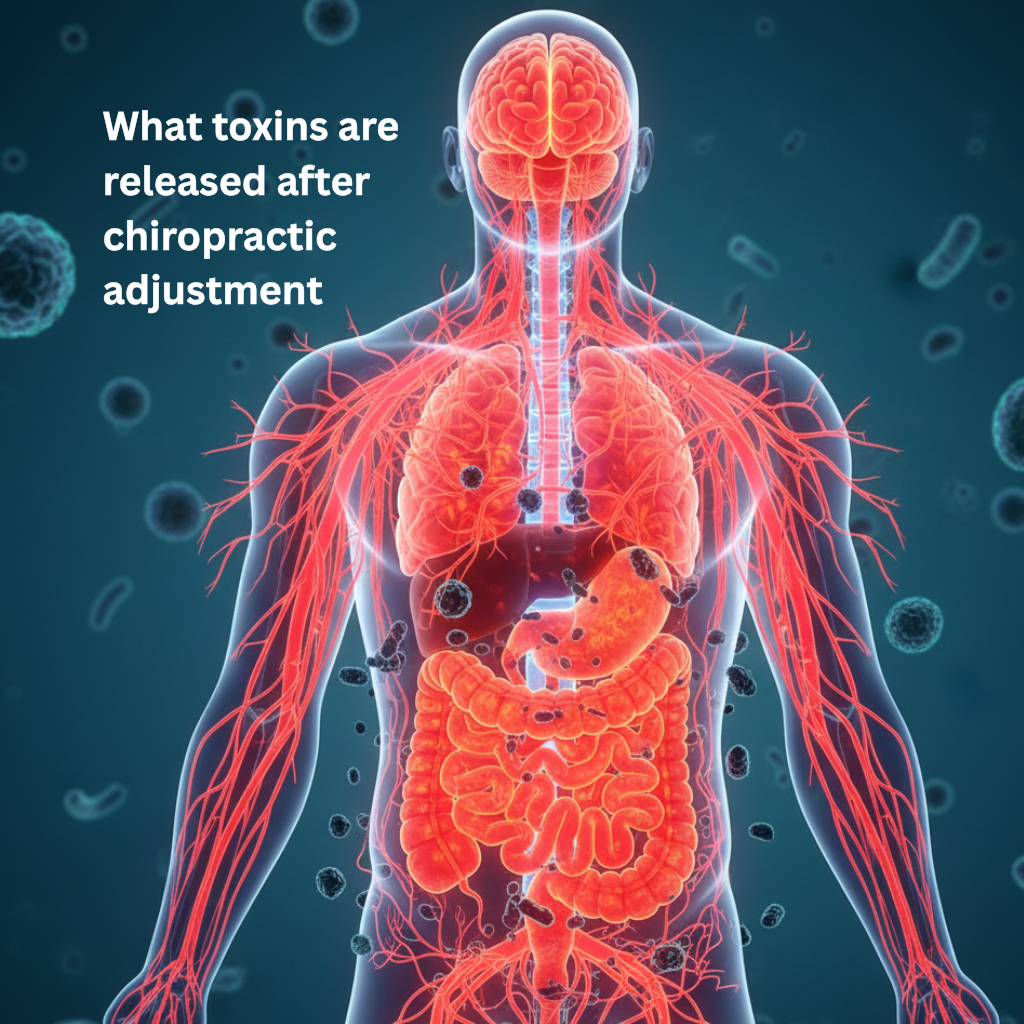
The most common chiropractic toxic release symptoms include headache, fatigue, muscle soreness or stiffness, mild nausea, and sometimes flu-like body aches. In some cases, people report changes in digestion like diarrhea after a chiropractic adjustment, or even a temporary flare-up of their primary complaint. These symptoms typically last 24-48 hours.
Why do I feel euphoric or 'high' after a chiropractor?
This is a positive physiological response! An adjustment can trigger the release of endorphins, your body's natural pain-relieving and mood-boosting neurochemicals. It's a sign that your nervous system is responding well to the treatment.
How can I flush toxins after a chiropractic adjustment?
Reframe the question to "How can I support my body's healing process?" The answer is simple: drink plenty of water, eat clean, get some light movement like walking, and allow yourself to rest. There is no special drink or supplement that will "flush" anything; it's about supporting your body's innate systems.
Can a chiropractor release stored trauma or emotional toxins?
The mind and body are deeply connected through the nervous system. Chronic stress, anxiety, and trauma can create real physical tension patterns in the body, particularly in the muscles around the spine. A chiropractic adjustment that releases this physical tension can sometimes be accompanied by an emotional release. This isn't mystical; it's a psycho-physiological response to the nervous system shifting out of a long-held "fight or flight" state. Feeling emotional after a chiropractic adjustment is not uncommon and can be a profound part of the healing journey.
Key factors in choosing your care
When you're dealing with pain, understanding your practitioner's philosophy is as important as their technique. Here are the factors that should guide your decision.
Scientific Validity
Does the clinic explain symptoms like post-adjustment soreness using evidence-based physiology, or do they rely on vague, unproven concepts like "toxic release"? A commitment to science builds trust and ensures your care is grounded in reality.
Holistic Approach
Is the focus solely on the spinal adjustment, or does the clinic address the bigger picture? A truly holistic approach considers how factors like nutrition, stress, and gut health (the source of endotoxemia) contribute to your pain and inflammation.
Role of Diet and Lifestyle
A practitioner who understands the connection between a pro-inflammatory diet and chronic pain can offer more comprehensive solutions. They should be a resource for how to manage your health both on and off the treatment table.
Effectiveness for Specific Conditions
Look for a clinic that offers a range of treatments tailored to your specific injury or condition. For severe pain from an accident, for example, a multi-faceted approach is often required. As one of our patients shared after a serious accident, "I was in a car collision and had nonstop knee and leg pain. Shockwave therapy has helped more than anything else..." This shows a commitment to using the right tool for the job to get you out of pain.
Making the Right Choice for Your Needs
Navigating your health journey requires a partner who aligns with your goals and perspective. The "best" approach depends entirely on what you're looking for.
For the Symptom-Focused Skeptic:
If you experience post-adjustment soreness and are looking for a scientific explanation, seek a practitioner who talks about physiological responses, inflammatory mediators, and nervous system adaptation. They should be able to explain exactly why you feel sore after a chiropractor without resorting to mystical language. This ensures your care is grounded, transparent, and trustworthy.
For the Holistic Health Seeker:
If you believe in the mind-body connection and want to address root causes, find a clinic that discusses more than just spinal mechanics. They should be well-versed in the role of diet-induced endotoxemia, systemic inflammation, and nutritional strategies. This approach ensures you're not just treating symptoms but building a foundation for lifelong wellness.
For the Acute Pain Patient:
If you're primarily focused on immediate pain relief from an injury, you need a team that can provide effective, targeted care and clear expectations. They should reassure you that temporary symptoms like soreness are a normal part of the body's healing response. Their main goal should be to restore function and reduce your pain with the most advanced and appropriate therapies available.
Ultimately, a modern, patient-focused approach to chiropractic care respects your experience while providing clear, evidence-based explanations. It moves beyond outdated myths to address the real, measurable factors that influence your pain and well-being. At Pure Relief Pain Solutions Chiropractic in Austin, TX, we integrate state-of-the-art pain relief with a deep understanding of the physiological and lifestyle factors that contribute to your health. If you're ready for a comprehensive approach that empowers you with knowledge and delivers lasting results, we invite you to schedule a consultation with our team today.



Call us today or use our contact form to request an appointment and start getting relief.

